How to Source Moisture Wicking Running Gear?
Sourcing moisture-wicking running gear requires more than choosing fabric with a technical-sounding label. Runners need shirts, shorts, socks, and layers that manage sweat during real movement. A garment may feel dry in a showroom yet become heavy after five miles. That difference matters.
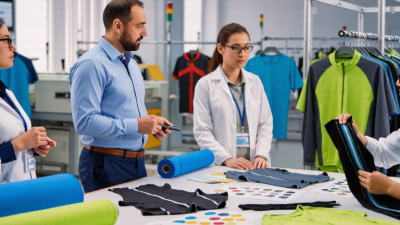
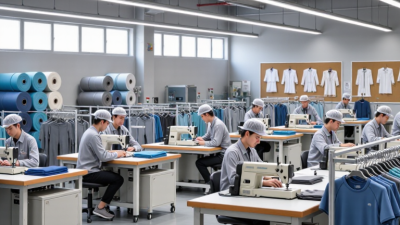
This guide explains how to evaluate suppliers, fabrics, construction, and product testing. Look for polyester, nylon, or blended materials with documented moisture-management performance. Ask suppliers for fabric specifications, test reports, production samples, and washing results. Check how quickly the material spreads moisture across its surface. Examine seams, waistbands, ventilation panels, and reflective details under practical conditions. Small features can decide whether gear feels comfortable during a humid morning run.
Reliable sourcing also involves communication and repeatability. A capable supplier should explain minimum order quantities, lead times, color limitations, quality controls, and replacement policies. Independent laboratory testing can strengthen confidence, but it does not replace hands-on evaluation. Wear samples during easy runs, intervals, and longer sessions. Notice cling, chafing, odor retention, and drying speed.
The process is not perfectly predictable. Fabric performance may change after repeated washing or across different body types. Even experienced buyers can overlook fit problems when focusing too heavily on technical data. That is why feedback from runners should guide final decisions. The best moisture-wicking running gear balances measurable performance, comfort, durability, responsible manufacturing, and a supplier’s ability to deliver consistent quality. Ask better questions. Test before scaling.
Read more »
 By:Aveline
- October 29, 2026
 By:Ethan
- October 24, 2026
 By:Elowen
- October 14, 2026