Performance running apparel is clothing engineered to support movement, comfort, and temperature control during running. It is not simply a brighter shirt or a lighter pair of shorts. The fabric may pull sweat away from the skin, dry quickly, and reduce friction across the shoulders, waist, or inner thighs. Small details matter. A flat seam can prevent irritation during a long interval session. A secure pocket can keep a key from bouncing at every stride.
Dr. Stacy Sims, a sports physiologist and researcher, states, “Women are not small men.” That principle also matters in performance running apparel. Effective garments should consider body shape, climate, movement patterns, and personal comfort. A humid morning may demand breathable mesh, while a cold, windy route may require a close-fitting outer layer. Reflective panels can improve visibility before sunrise, although they cannot replace safe route choices or attention to traffic.
Fit remains personal. Very tight clothing may feel supportive for one runner but restrictive for another. Loose fabric may improve airflow yet create unwanted movement. I have found that the “best” garment is rarely the most technical one on paper. It is the piece that stays comfortable after several kilometers. Even this definition has limits. Marketing claims can sound precise, while real performance depends on washing, layering, weather, and the runner’s own habits. A thoughtful evaluation should test the apparel in realistic conditions, not only under bright studio lights.
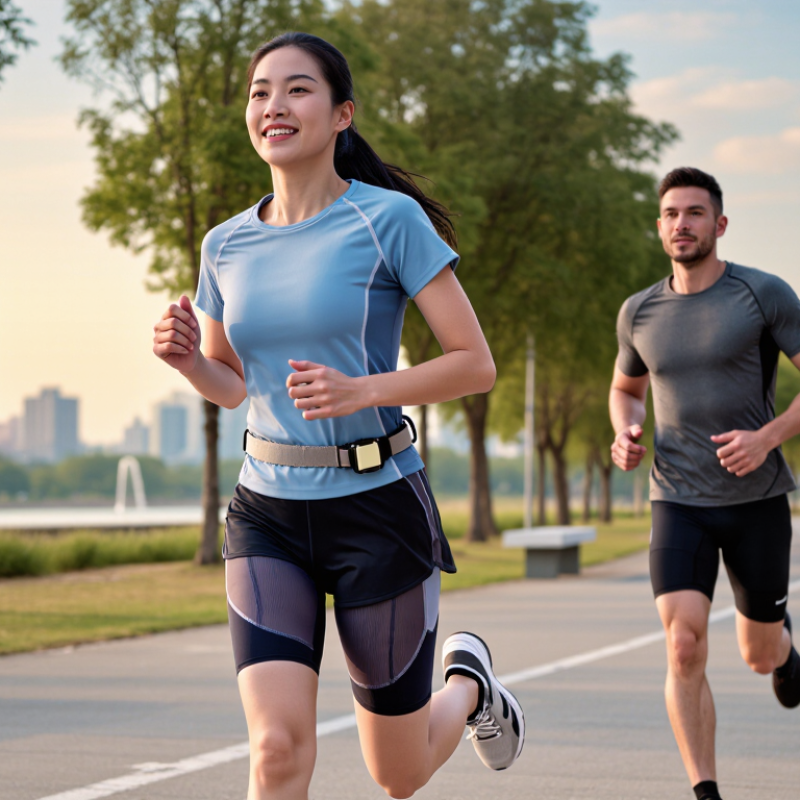
Performance running apparel is clothing engineered to support movement, comfort, and temperature control during running. Its purpose is practical, not decorative. Lightweight fabrics can move sweat away from the skin, while mesh panels may improve airflow around the chest and back. Stretch construction supports longer strides without pulling at the shoulders or knees. Flat seams and soft waistbands can also reduce rubbing during repeated motion.
The definition becomes more important as participation grows. The World Health Organization reported in 2024 that nearly 1.8 billion adults were insufficiently active in 2022. Better clothing cannot create fitness, but it can remove small barriers to regular exercise. ISO 11092 provides methods for testing thermal resistance and water-vapour permeability, giving manufacturers measurable performance targets. Still, laboratory results are not the whole experience. A shirt may breathe well indoors but feel clammy in cold rain. No fabric solves every problem.
Material choices also deserve attention. Textile Exchange’s 2024 Materials Market Report identified polyester as about 59% of global fiber production in 2023. That figure shows why durability, recycled content, and washing habits matter. Performance apparel should dry quickly, retain its shape, and remain comfortable across changing conditions. In practice, runners should test fit with real movement, not only standing still. Small details matter. A pocket that bounces can become more distracting than expected.
What Is Performance Running Apparel?
Key Fabrics and Technologies Used in Performance Running Wear
Performance running apparel manages heat, sweat, friction, and changing weather. Fabric choice matters more than appearance. Textile Exchange’s Materials Market Report 2024 states that polyester represented about 57% of global fiber production in 2023. Its light weight, durability, and quick-drying behavior explain its widespread use in running shirts and shorts.
Polyester moves moisture across the fabric surface, where air can help it evaporate. Nylon offers a softer hand and strong abrasion resistance. Small amounts of elastane improve stretch around the shoulders, hips, and knees. Merino wool can help regulate temperature and reduce odor, though it may dry more slowly after heavy rain. No fabric solves every problem.
Mesh panels increase airflow near the back and underarms. Flat seams reduce rubbing during long runs. Some garments use durable water-repellent finishes, while others add reflective elements for low-light visibility. These details feel practical at kilometer eight, when damp fabric begins to cling. The European Environment Agency’s 2024 briefing also highlights synthetic textile fibers as a source of microplastic release during washing. That issue deserves more attention. A useful design may still carry an environmental cost. Washing at lower temperatures and using a laundry filter can reduce, but not eliminate, fiber loss.
| Material or Technology | Primary Function | Typical Characteristics | Common Applications | Important Considerations |
|---|---|---|---|---|
| Polyester | Moisture management and durable, lightweight construction | Hydrophobic fiber that absorbs relatively little water, dries quickly, retains shape, and supports color durability. | Running shirts Shorts Socks | Odor can build up if the fabric is not treated or thoroughly washed. Recycled polyester can reduce reliance on virgin petroleum feedstock but remains a synthetic fiber. |
| Nylon | Strength, abrasion resistance, and smooth hand feel | Strong and resilient fiber with good resistance to rubbing; often used where durability and a soft surface are important. | Shorts Tights Wind shells | Usually dries quickly, but moisture behavior depends on yarn construction and fabric finishing. It may be less resistant to prolonged ultraviolet exposure than some polyester constructions. |
| Elastane | Stretch and freedom of movement | Highly elastic fiber commonly blended with polyester or nylon to provide recovery, body fit, and reduced restriction during stride movement. | Tights Waistbands Fitted tops | Excessive heat, chlorine, body oils, and harsh laundering can shorten its useful life. A small percentage can substantially improve stretch performance. |
| Merino Wool | Temperature regulation and odor control | Fine wool fibers can help buffer temperature changes, manage moisture vapor, and reduce the persistence of some odors during repeated wear. | Base layers Running socks Cool-weather tops | May dry more slowly than thin synthetic fabrics and requires appropriate care to minimize shrinkage, felting, or fiber damage. |
| Polyester or Nylon Blends | Balanced performance across multiple needs | Combines properties such as quick drying, durability, stretch, softness, and improved fit in a single fabric system. | All-season apparel Training gear Layering pieces | The final performance depends on fiber ratios, yarn type, knit or weave structure, and finishing treatments rather than fiber content alone. |
| Moisture-Wicking Construction | Moves liquid sweat away from the skin | Uses fiber shape, capillary channels, yarn selection, or fabric structure to spread moisture across a larger surface area for faster evaporation. | Next-to-skin layers Race tops Sports bras | Wicking does not guarantee rapid drying; drying speed also depends on fabric thickness, humidity, airflow, garment fit, and the runner’s sweat rate. |
| Mesh and Zoned Ventilation | Improves airflow and heat release | Open or lighter-weight structures increase air exchange in high-heat areas such as the back, underarms, side panels, and inner thighs. | Hot-weather shirts Shorts Ventilated panels | Very open mesh may provide less wind protection, coverage, and durability. Placement should balance ventilation with modesty and weather conditions. |
| Flatlock or Low-Profile Seams | Reduces chafing and pressure points | Seams are designed to lie flatter against the body than conventional raised seams, limiting friction during repetitive movement. | Long-distance tops Tights Base layers | Seam placement, garment fit, sweat, salt, and individual skin sensitivity still affect the likelihood of irritation. |
| Water-Repellent Finish | Helps shed light rain and surface moisture | A surface treatment lowers fabric wetting, allowing droplets to bead and roll off during brief or light precipitation. | Windbreakers Light shells Weather-resistant vests | It is not the same as waterproof construction. Abrasion, washing, dirt, and repeated use can reduce repellency over time. |
| Waterproof-Breathable Membrane | Blocks liquid rain while allowing some water vapor to escape | Microporous or hydrophilic membrane systems are commonly combined with an outer fabric and protective construction. | Rain jackets Storm shells Wet-weather layers | Breathability is limited by humidity, exertion, garment design, and ventilation openings. Fully waterproof garments can still feel damp from internal perspiration. |
| Thermal Brushed Fabric | Provides warmth in cool conditions | A lightly raised inner surface traps additional air and can create a warmer, softer feel than a smooth single-layer fabric. | Winter tights Cold-weather tops Ear warmers | Warmer fabrics may retain more heat and moisture during high-intensity efforts. Garment weight and drying time can also increase. |
| UV-Resistant Fabric | Reduces ultraviolet exposure through the garment | Protection can be influenced by fabric density, color, fiber type, stretch, and specialized finishes; coverage is generally greater than bare skin. | Sun shirts Long-sleeve tops Outdoor training apparel | Protection may decrease when fabric is stretched, wet, worn thin, or damaged. Exposed skin still requires appropriate sun protection. |
| Reflective Details | Improves visibility in low-light conditions | Reflective trims, prints, or panels return light toward its source, helping a runner stand out when illuminated by headlights or street lighting. | Jackets Tights Shoes and accessories | Reflective elements are not a substitute for active lighting or high-visibility color. Visibility depends on placement, angle, distance, and ambient conditions. |
| Anti-Odor Treatment | Helps control odor between washes | Finishes or fiber choices may inhibit odor-causing microbial activity or reduce odor retention within the textile. | Base layers Travel apparel Multi-day training gear | Effectiveness varies by technology and use. Treatments can wear down, and regular laundering remains necessary for hygiene. |
| Seamless or Body-Mapped Knitting | Combines targeted support, stretch, and ventilation | Knitted zones can vary in density and structure to place more support, breathability, or flexibility where needed while reducing sewn seams. | Fitted tops Sports bras Running underwear | Fit and pressure distribution are highly individual. The technology does not automatically provide adequate support for every body type or activity level. |
Practical selection guide: Choose lightweight wicking fabrics for heat, insulating or brushed layers for cold, wind- and water-resistant shells for changing weather, stretch-rich designs for mobility, and reflective details for low-light running.
What Is Performance Running Apparel?
Performance running apparel supports different running conditions by managing heat, moisture, wind, and movement. In hot weather, lightweight fabrics with quick-drying structures help sweat spread across the surface and evaporate. Fit matters too. Loose clothing may improve airflow, while excessive fabric can create friction around the underarms and waist. The American College of Sports Medicine notes that heat acclimatization commonly develops over 7–14 days, so clothing cannot replace gradual adaptation or sensible pacing.
Weather changes quickly. In cold conditions, runners need layered protection rather than one heavy garment. A close base layer can move moisture away from the skin, while an insulating middle layer retains warmth. A wind-resistant outer layer reduces convective heat loss. During rain, water-resistant materials help, but fully waterproof fabrics may limit breathability. No fabric solves everything. The International Organization for Standardization uses ISO 11092 to measure thermal resistance and water-vapor resistance, offering a more reliable comparison than vague “high performance” claims.
Visibility becomes important during dawn, dusk, and heavy rain. Reflective details and brighter colors can improve recognition, although they do not guarantee safety. The World Meteorological Organization’s State of the Global Climate report confirms that extreme heat is becoming a greater concern, making ventilation increasingly relevant for runners. Still, apparel advice is rarely perfect. I may choose too many layers in cool wind, then regret them after three kilometers. Testing clothing on short runs, checking local conditions, and adjusting gradually remain more dependable than trusting a product label alone.
Performance running apparel adapts to environmental demands. Lightweight, breathable fabrics help release heat in warm conditions; moisture-wicking layers help manage sweat in humid weather; insulating layers retain body heat in cold weather; and wind- or water-resistant shells reduce exposure during windy or wet runs. The scores represent the relative priority of each apparel function for common running conditions.
Performance running apparel is designed to manage heat, moisture, movement, and changing weather.
The right pieces should support your effort without demanding attention. A lightweight technical shirt can move sweat away from the skin during warm runs. In colder conditions, a fitted base layer traps useful warmth without restricting your arms.
A breathable jacket helps with wind and rain, but waterproof fabric may feel clammy during hard efforts.
That trade-off matters.
Running clothing comes in several practical forms.
Shorts offer freedom and ventilation, while tights provide warmth and reduce friction. Split shorts can suit speed sessions, though their loose cut may feel less secure on busy roads.
Compression garments feel supportive for some runners, but they are not automatically better. A soft waistband, flat seams, and pockets that do not bounce are often more important.
I once chose a stylish pair with poor stitching and regretted it after ten kilometers.
Accessories complete the system.
Moisture-resistant socks can reduce rubbing, especially around the heel and toes. A cap shields the eyes from sunlight, while gloves protect fingers in cold air.
Reflective details and a small light improve visibility near traffic. For longer runs, a hydration vest may carry water, fuel, and a phone without filling every pocket.
Check the fit while moving. Empty-room comfort can be misleading. Wash technical fabrics gently, and inspect worn elastic or thinning soles before they cause problems.
Performance running apparel is designed to manage sweat, temperature, movement, and friction during exercise. Unlike ordinary cotton clothing, technical fabrics usually move moisture away from the skin and dry faster. The right gear should feel almost unnoticed. That is the goal.
Fit matters more than appearance. A shirt that flaps in the wind can become irritating during a long run. Tight clothing may support movement, but it should never restrict breathing or shoulder rotation. Check the waistband while bending and walking. Small pockets should hold essentials without bouncing.
I once chose shorts with a convenient pocket, but the zipper rubbed my skin after several miles. Comfort was not optional.
Weather changes the decision. In hot conditions, choose lightweight, breathable materials and openings that release heat. For cold runs, use adjustable layers instead of one heavy garment. A light base layer, protective middle layer, and wind-resistant outer layer can adapt more easily. Reflective details improve visibility during darker hours, but they do not replace safe route choices. Seam placement, fabric stretch, and washing instructions also deserve attention. Poorly cared-for apparel can lose shape or odor control quickly. No fabric is perfect. Test new gear on a short run before trusting it for a race, and notice where heat, moisture, or rubbing develops.
It helps manage sweat, body heat, wind, rain, movement, and friction. The goal is simple: feel comfortable. No fabric solves everything.
Choose lightweight, breathable fabric that dries quickly. Loose clothing can improve airflow, but excess fabric may rub your underarms or waist. Openings near the neck or sides can release heat.
Use adjustable layers instead of one heavy garment. A close base layer moves moisture away from your skin. A middle layer retains warmth, while an outer layer reduces wind exposure. I sometimes wear too much and regret it after three kilometers.
Water-resistant materials can reduce light rain and surface dampness. Fully waterproof fabrics may restrict breathability during harder efforts. Choose based on rainfall, wind, distance, and your running pace.
Fit affects comfort, movement, and skin irritation. Clothing should allow shoulder rotation and normal breathing. Check the waistband while bending and walking. Too loose can flap; too tight can restrict.
No. Reflective details and bright colors can improve recognition during dawn, dusk, or heavy rain. They do not replace safer routes, attention, or suitable lighting. Visibility helps, but it is not protection by itself.
Examine seam placement, fabric stretch, pockets, zippers, and washing instructions. Small pockets should hold essentials without bouncing. A zipper can feel harmless indoors, then rub badly after several miles.
Yes, test it on a short nearby run first. Notice heat, moisture, rubbing, pocket movement, and fabric shifting. Labels can sound convincing. Your own skin may disagree. Adjust gradually.
Performance running apparel is specially designed clothing that helps runners stay comfortable, dry, and protected during physical activity. Unlike ordinary sportswear, it combines practical features such as moisture management, breathability, stretch, lightweight construction, and temperature regulation. Common fabrics and technologies may include quick-drying synthetic fibers, ventilated panels, soft seam designs, reflective details, and materials that help reduce friction during movement.
This type of clothing can support runners in different conditions, including hot weather, cold temperatures, rain, wind, and low-light environments. It may include shirts, shorts, tights, jackets, socks, hats, gloves, and supportive accessories. When choosing performance running apparel, runners should consider climate, distance, activity level, fit, comfort, durability, visibility, and personal preferences. The right combination of garments and accessories can improve freedom of movement, help manage body temperature, and make training or racing more enjoyable.