Home Products
Running Gear Manufacturer Gymwear Manufacturer Teamwear Manufacturer Activewear Manufacturer Outerwear Manufacturer Underwear Manufacturer
Private Label / OEM About Us
custom OEM sportswear manufacturer private label activewear manufacturer custom gymwear manufacturer moisture-wicking running gear performance running apparel cross-training gym apparel sublimated football kits custom basketball team jerseys Global Service Top Search
View Catalog
0%

Choosing a custom gymwear manufacturer now involves more than comparing prices and logo placement. Global buyers need dependable fabrics, clear production controls, and evidence of ethical operations. A failed sample can leave a brand with uneven seams, distorted prints, or cartons that arrive weeks late.

The McKinsey Sporting Goods 2025 report projects approximately 6% annual growth for the global sporting-goods market through 2029. Grand View Research also identifies rising demand for performance apparel, especially products combining comfort, compression, and moisture management. These trends create opportunity, but they raise buyer expectations. A capable supplier should provide fabric specifications, size grading, lab-test records, minimum order quantities, and realistic lead times. Factory audits and independent certifications add further confidence.

Nike co-founder Bill Bowerman famously said, “If you have a body, you are an athlete.” His words still explain why gymwear must perform beyond the studio mirror. It should stretch during squats, dry quickly after intervals, and remain comfortable under repeated washing. This guide examines ten custom gymwear manufacturers serving global buyers, comparing their production strengths, customization options, communication practices, and quality safeguards.

No ranking removes every risk. Supplier websites can look polished. Samples may still disappoint. Buyers should request a physical prototype before approving bulk production. They should also question vague sustainability claims and unclear subcontracting policies. The strongest custom gymwear manufacturer is not always the cheapest. It is the partner that documents its process, admits limitations, and consistently delivers measurable quality.
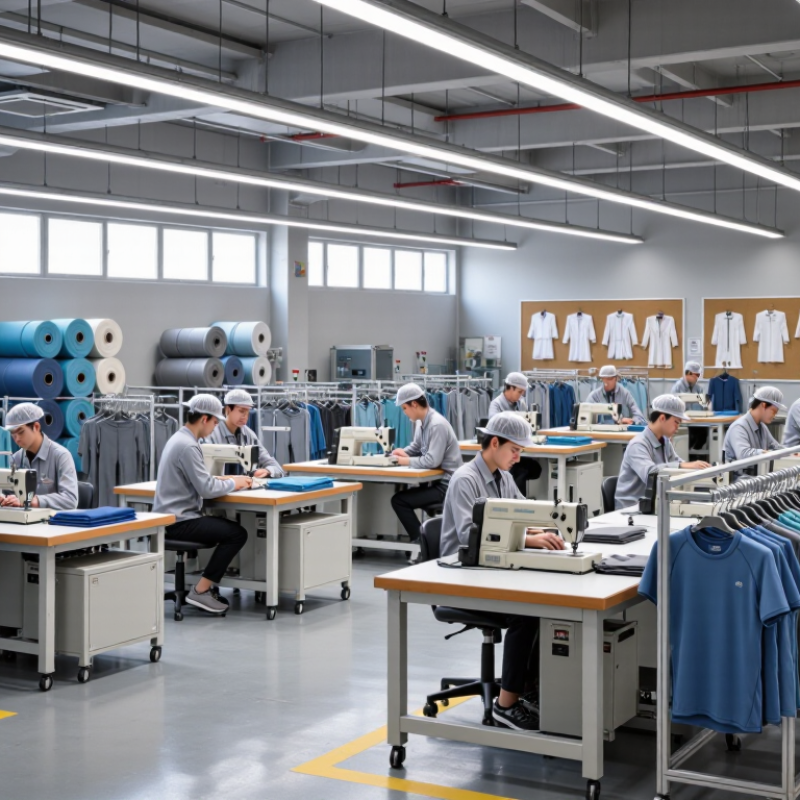
Top 10 Custom Gymwear Manufacturers for Global Buyers

Custom Gymwear Manufacturing: Scope and Product Categories

Custom gymwear manufacturing covers more than cutting and sewing. It includes product design, fabric selection, grading, sampling, testing, production, quality control, and export preparation.

Global buyers commonly request leggings, sports bras, training tops, shorts, tracksuits, base layers, and lightweight outerwear. Some also develop matching socks, caps, and gym bags.

The market requires technical fabrics that manage sweat, stretch repeatedly, and recover their shape.

Grand View Research valued the global sports apparel market at about USD 214 billion in 2023. Textile Exchange reported that polyester represented roughly 59% of global fiber production in 2023.

These figures explain the demand for flexible, quick-drying materials, but they also raise recycling concerns. A factory should clarify fiber content, fabric weight, colorfastness, shrinkage, and pilling results before bulk production.

Details matter.

A curved waistband needs stable elastic. Flat seams reduce friction during squats and running. Reinforced gussets can improve durability in leggings.

Buyers should review measurement charts, stitching density, wash-test results, and size grading. Intertek’s apparel testing guidance emphasizes dimensional stability, colorfastness, and strength testing for reliable performance products.

Still, laboratory approval cannot replace wear testing. A garment may pass testing yet feel uncomfortable during a long workout. That gap is easy to underestimate. Sampling also deserves patience; rushed approvals often create uneven hems, transparent fabric, or misplaced pockets.

Key Criteria for Evaluating Global Gymwear Suppliers

Choosing among custom gymwear manufacturers requires more than comparing quoted prices. A reliable supplier should understand fabric performance, movement, and repeated washing. Ask for fabric weight, stretch recovery, breathability, and colorfastness reports. Request physical samples, not only digital images. A squat test can reveal sheerness, while a wash test exposes shrinking, fading, or loose seams. Small details matter.

Production control is equally important. Review the supplier’s technical-pack process, size grading, stitching standards, and inspection checkpoints. Confirm minimum order quantities, sampling fees, lead times, and replacement policies in writing. Clear communication is essential when buyers work across time zones. Accurate measurement charts reduce costly corrections. Still, measurements can be interpreted differently. A second sample may be necessary.

Global buyers should also examine traceability and responsible manufacturing practices. Ask where fabrics are sourced, how defects are recorded, and whether independent testing is available. Check packaging, labeling, export documents, and delivery terms before placing a larger order. A supplier that answers precisely is easier to trust than one offering vague promises. Price is only one signal. Consistent quality, documented processes, realistic schedules, and responsive support provide stronger evidence of long-term reliability. Even experienced buyers should leave room for review, because production rarely follows the first plan perfectly.

Top 10 Custom Gymwear Manufacturers for Global Buyers: Key Supplier Evaluation Criteria

This practical weighted framework reflects the main factors global buyers typically review when comparing custom gymwear suppliers. Product quality and customization capability receive the highest weights, while compliance, delivery reliability, communication, sustainability, and total cost help reduce sourcing risk. The percentages are evaluation weights, not ratings for any specific company or brand.

Top 10 Custom Gymwear Manufacturers for International Buyers

Choosing custom gymwear manufacturers for international buyers requires more than comparing prices. A credible top-ten shortlist should reflect fabric expertise, export experience, and consistent production control. Look for manufacturers that handle moisture-wicking polyester, nylon blends, compression fabrics, and recycled materials. Ask for fabric composition, weight, colorfastness results, and stretch recovery data. Small details matter.

Request a physical sample before approving bulk production. Check the waistband pressure, seam strength, print alignment, and pocket depth after washing. Reliable suppliers should explain minimum order quantities, sample fees, production lead times, and shipping terms clearly.

They should also provide factory audit records and follow applicable labor, product safety, and labeling requirements in your target market. Communication quality is a practical test.

No supplier is perfect. A polished sample can hide inconsistent sizing across a larger batch. I would order a pilot run and measure random pieces before expanding. Some manufacturers may promise flexible customization, yet struggle with complex panels or repeated color matching. That gap deserves attention. International buyers should document approved measurements, artwork files, packaging details, and inspection standards. Clear records reduce costly misunderstandings across borders. A dependable partner is not merely fast or inexpensive; it is transparent when production becomes difficult.

Production, Quality Control, and Customization Capabilities

Top 10 Custom Gymwear Manufacturers for Global Buyers

Production, quality control, and customization determine whether gymwear performs beyond the sample room. Textile Exchange’s Materials Market Report 2024 reported global fiber production at about 124 million tonnes in 2023, with polyester representing roughly 57%. This scale makes material traceability important. Buyers should request fiber declarations, recycled-content evidence, and supplier records before approving bulk production.

Strong manufacturers control details at each stage. They verify fabric GSM, stretch recovery, colorfastness, pilling, and seam strength. They also inspect panels before stitching, because small cutting errors can distort compression leggings. AQL inspection levels should be agreed in writing, not assumed. ISO 9001 systems can support consistency, but certification alone does not prove garment performance. Practical evidence matters more: dated inspection sheets, laboratory reports, and retained production samples.

Customization should include pattern grading, label placement, packaging, and fabric alternatives. Experienced teams test heat-transfer prints after repeated washing and measure waistband recovery after stretching. The Global Organic Textile Standard and recycled-content standards can strengthen material claims when properly verified. Still, no factory is flawless. Shade variation may appear between dye lots, and rushed approvals increase risk. Buyers should allow time for corrective samples, even when deadlines feel uncomfortable. Production speed is useful. Controlled speed is safer.

Top 10 Custom Gymwear Manufacturers for Global Buyers - Production, Quality Control, and Customization Capabilities
Rank Anonymous Manufacturer Primary Production Strength Typical MOQ Sample Lead Time Bulk Production Lead Time Core Fabric Options Customization Capabilities Quality-Control Processes Common Compliance Evidence Best Fit for Global Buyers
1 Manufacturer 01 Large-volume performance apparel 300–500 pcs per style 7–12 working days 30–45 working days Recycled polyester Spandex blends Nylon All-over sublimation, cut-and-sew panels, woven labels, heat-transfer logos, custom packaging Fabric inspection, size-set approval, inline inspection, final AQL inspection, carton verification OEKO-TEX® documentation, recycled-content certificates where applicable, social-audit reports Sports teams, chain retailers, and established private-label programs
2 Manufacturer 02 Technical leggings and compression wear 100–300 pcs per color 8–14 working days 25–40 working days Nylon-spandex Polyester-spandex Brushed jersey Pattern development, contour seams, gussets, pocket engineering, reflective details, silicone grips Stretch and recovery testing, colorfastness checks, seam-strength testing, measurement control Material test reports, restricted-substance declarations, factory audit records Premium activewear labels requiring fit and support engineering
3 Manufacturer 03 Custom teamwear and training kits 50–150 pcs per design 5–10 working days 20–35 working days Polyester interlock Mesh Moisture-management knits Player names and numbers, sublimated graphics, contrast trims, custom size grading, team-order sorting Artwork approval, print-registration checks, measurement inspection, needle detection, final packing check Product test reports and documented production traceability Clubs, schools, gyms, tournaments, and group purchasing programs
4 Manufacturer 04 Eco-focused gymwear collections 200–400 pcs per style 10–15 working days 30–50 working days Recycled polyester Organic cotton Recycled nylon Low-impact dyeing options, recycled trims, custom labels, sustainable packaging, private-label development Incoming-fabric checks, shade-band approval, shrinkage testing, seam inspection, final random inspection Global Recycled Standard or equivalent evidence, OEKO-TEX® documentation, chain-of-custody records Brands with documented sustainability and material-traceability requirements
5 Manufacturer 05 Small-batch private-label production 30–100 pcs per style 7–14 working days 20–35 working days Cotton jersey Polyester blends Rib fabrics Low-volume sampling, basic pattern adjustments, screen printing, embroidery, neck labels, hangtags Pre-production sample approval, measurement checks, print inspection, finished-goods inspection Supplier declarations and product-specific laboratory reports on request Startups, online sellers, fitness studios, and test-market collections
6 Manufacturer 06 Seamless and knitted sportswear 300–800 pcs per color 12–18 working days 35–55 working days Polyamide-elastane Seamless knits Polypropylene blends Engineered knit zones, jacquard patterns, ventilation mapping, bonded hems, integrated branding Knitting-program verification, stretch testing, dimensional stability checks, wash testing, final inspection Fiber-content verification, chemical-compliance reports, factory quality-system records Technical collections where comfort, stretch, and reduced-seam construction matter
7 Manufacturer 07 High-performance outer layers 100–300 pcs per style 10–16 working days 30–50 working days Wind-resistant woven fabrics Lightweight mesh Water-repellent textiles Reflective tapes, ventilation panels, zip pockets, adjustable hems, custom trims, technical labeling Water-repellency testing, zipper testing, seam-tape checks, dimensional inspection, final AQL inspection Fabric performance reports and restricted-substance compliance documentation Running, cycling, outdoor training, and multipurpose performance ranges
8 Manufacturer 08 Fashion-led athleisure and studio wear 100–250 pcs per style 8–14 working days 25–40 working days Soft-touch jersey Rib knit Modal blends Custom silhouettes, tonal branding, fashion trims, color development, label packages, retail-ready packing Color approval, fit-session review, pilling checks, seam inspection, appearance assessment Material composition records, colorfastness reports, supplier audit documentation Boutique fitness, lifestyle apparel, yoga, and studio-focused collections
9 Manufacturer 09 Value-focused mass-market basics 500–1,000 pcs per style 7–12 working days 30–45 working days Polyester jersey Cotton-polyester Basic mesh Standard color cards, screen printing, heat transfers, woven labels, simple packaging customization Fabric weight checks, size measurement, print adhesion testing, packing audits, random final inspection Product safety test reports and basic social-compliance documentation Promotional campaigns, budget gymwear, uniforms, and high-volume replenishment
10 Manufacturer 10 Specialized fitness accessories and apparel sets 100–300 sets per design 8–15 working days 25–45 working days Performance polyester Nylon Cotton blends Coordinated apparel sets, custom bags, socks, headbands, towels, labels, inserts, and gift packaging Accessory-component inspection, color matching, stitching checks, set-count verification, final packing inspection Component test reports, fiber-content records, and applicable product-compliance files Fitness campaigns requiring coordinated apparel and accessory merchandise
Typical ranges are presented for comparative sourcing purposes. Actual minimum quantities, lead times, certifications, testing documents, and inspection standards should be confirmed directly with each qualified supplier before ordering.

Ordering, Compliance, Shipping, and Supplier Selection Steps

Top 10 Custom Gymwear Manufacturers for Global Buyers

When comparing ten custom gymwear manufacturers, request a measured sample before approving bulk production. Check fabric recovery, squat opacity, seam strength, logo placement, and wash shrinkage. A perfect tech pack cannot prevent every defect. Allow a small testing budget.

Supplier selection should include factory ownership, monthly capacity, audit history, and subcontracting disclosure. Textile Exchange’s 2024 Materials Market Report recorded global fiber production at 124 million tonnes in 2023, with polyester representing about 57%. Ask whether recycled-content claims include transaction certificates, not only marketing language. Request laboratory reports for colorfastness, pilling, restricted substances, and fiber composition. Confirm compliance requirements for every destination, because labeling and chemical rules differ across markets. OECD garment-sector guidance also recommends risk-based due diligence across supply chains.

Ordering terms must define sample approval, tolerances, payment stages, inspection rights, and remedy procedures. Keep written records. For shipping, compare air, sea, and multimodal quotations using the same Incoterm. UNCTAD reports that over 80% of world merchandise trade by volume moves by sea, making port delays commercially important. Build buffer time around holidays, customs reviews, and container shortages. I would not trust the cheapest quotation without landed-cost calculations. Freight, duties, testing, rework, and rejected units can change the result. Supplier selection remains partly judgment, and that is uncomfortable.

FAQS

What products can custom gymwear manufacturers produce?

Common products include leggings, sports bras, training tops, shorts, tracksuits, base layers, and lightweight jackets. Matching socks, caps, and gym bags are also possible.

Which fabric details should buyers confirm before production?

Confirm fiber content, fabric weight, stretch recovery, breathability, colorfastness, shrinkage, and pilling performance. Quick-drying fabric is useful. Recycled-content claims need supporting documents, not only descriptions.

How can buyers test a gymwear sample?

Try squats, running movements, and repeated stretching. Check whether the fabric becomes transparent or loses shape. Wash the sample and inspect fading, shrinking, loose seams, and uneven hems.

Which construction details improve workout comfort and durability?

Stable waistbands help prevent rolling during movement. Flat seams can reduce friction around the thighs and shoulders. Reinforced gussets may improve leggings durability.

What information should a supplier provide before bulk production?

Request measurement charts, size grading details, technical packs, stitching standards, inspection points, and testing reports. Confirm minimum quantities, sample fees, lead times, and replacement terms in writing. Details prevent expensive confusion.

Are laboratory test reports enough to approve gymwear?

No. Reports can confirm strength, colorfastness, dimensional stability, and fiber composition. Wear testing reveals comfort problems that laboratories may miss. A garment can pass testing and still feel wrong after one long workout.

How should buyers evaluate supplier reliability?

Ask about factory ownership, production capacity, audit history, subcontracting, fabric sources, and defect records. Request physical samples and independent testing where appropriate. Vague answers deserve caution. Even experienced buyers can misjudge a supplier.

What should an international order include?

Define sample approval, measurement tolerances, payment stages, inspection rights, remedies, packaging, labeling, and export documents. Compare shipping quotes using the same delivery term. Allow extra time for holidays, customs reviews, and port delays.

How should buyers compare total costs?

Do not compare unit prices alone. Include freight, duties, testing, rework, rejected units, sampling, and possible storage costs. The cheapest quotation may not be the cheapest order. That lesson is easy to ignore.

Conclusion

This guide presents the essential considerations for choosing a reliable custom gymwear manufacturer for international business. It explains the scope of custom gymwear production, including performance tops, leggings, shorts, sports bras, tracksuits, and coordinated team or retail collections. It also outlines how global buyers can evaluate suppliers through fabric quality, technical expertise, production capacity, customization options, communication, minimum order quantities, pricing, and sustainability practices.

The overview compares the capabilities commonly expected from the top 10 custom gymwear manufacturers, focusing on sampling, pattern development, printing, embroidery, labeling, packaging, and quality control. It further highlights the importance of reviewing production timelines, inspection procedures, certifications, import requirements, shipping arrangements, and documentation before placing an order. By following a structured supplier-selection process, buyers can reduce production risks, maintain consistent product quality, and build a dependable international supply chain for customized fitness apparel.
Elowen

Elowen

Elowen is a dedicated marketing professional with a strong understanding of product strategy, customer needs, and market development. As a key contributor to our company, Elowen combines clear communication with practical industry knowledge to explain how our products solve real business challenges......