
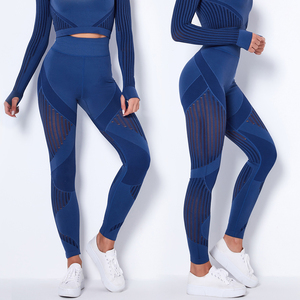
Engineered in Sialkot by Verena Sport for global brands, cross-training franchises, running clubs, and domestic Pakistani retail chains requiring strict ISO 9001 and OEKO-TEX compliance.
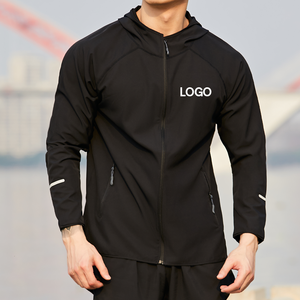
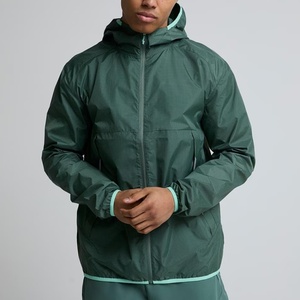

The global sports apparel sector has crossed an inflection point where traditional cut-and-sew methods are no longer sufficient to meet modern ergonomic expectations. Athletic consumers, female runners, and cross-training athletes demand continuous, unchafed skin-to-garment contact, targeted anatomical compression, and zero bulk along sensitive kinetic chains.
As Pakistan’s primary sporting goods manufacturing hub, Sialkot has transformed from a conventional cut-and-sew powerhouse into an advanced engineering center for seamless circular knitting technology. Verena Sport stands at the frontier of this paradigm shift. Utilizing electronic computerized seamless knitting machinery (Santoni circular machines), we integrate variable compression zones, breathable microporous mesh, and supportive underbust ribbing into a unified tubular matrix without abrasive side seams.
How localized architectural knitting achieves zero-abrasion athletic stabilization:
Engineered for technical compliance, physical endurance, and environmental resilience under rigorous high-humidity athletic conditions.
| Performance Parameter | Technical Specification / Standard | Operational Function | Audit Compliance Level |
|---|---|---|---|
| Primary Yarn Composition | 75%–85% Polyamide 6.6 (Nylon) + 15%–25% Spandex (Elastane) | Buttery micro-handfeel, high recovery modulus, abrasion resistance | OEKO-TEX Standard 100 Certified |
| Fabric Weight (GSM) | 280 GSM to 350 GSM (Zone-variable high gauge) | Non-see-through opacity, balanced tensile compression for high impact | ASTM D3776 Standard |
| Knitting Architecture | Santoni Circular Single/Double Jersey Electronic Machines | Tubular body without lateral side seams; eliminates frictional chafing | ISO 9001:2015 Manufacturing Plant |
| Moisture Management | Capillary wicking treatment + Intarsia micro-perforations | Evaporates perspiration in high-heat subcontinental climates | AATCC 79 / AATCC 197 Passed |
| Tensile & Burst Strength | Hydraulic Bursting Strength > 450 kPa | Prevents seam cleavage during cross-training and heavy athletic impact | ASTM D3786 / ISO 13938-1 |
| Colorfastness Thresholds | Grade 4.5 to Perspiration (Acid & Alkaline), Grade 4 to Laundering | Maintains chromatic brilliance without dye migration during heavy sweat | ISO 105-E04 / ISO 105-C06 |
How seamless sports bras adapt to domestic consumer shifts, climate requirements, and multi-functional wardrobe layering.
Metropolitan centers like Karachi, Lahore, and Islamabad experience extreme ambient humidity exceeding 80% with temperatures scaling above 42°C. Traditional cut-and-sew bras trap moisture along thick elastomeric hems, provoking contact dermatitis. Seamless sports bras engineered with high-filament micro-polyamide provide instantaneous capillary dispersion, cooling the athlete’s core during hot Pilates, CrossFit, and indoor power yoga sessions.
Within Pakistan’s evolving female demographic, athletic apparel seamlessly doubles as foundational daywear. Women require low-profile undergarments that do not print visible seam outlines beneath casual kurtas, abayas, or oversized gym cover-ups. The second-skin, edge-free finish of seamless sports bras offers clean modesty, gentle compression, and all-day pectoral posture alignment for modern multi-tasking lifestyles.
Pakistani e-commerce exporters targeting Gulf Cooperation Council (GCC) markets like Dubai, Riyadh, and Doha, alongside UK/US Amazon sellers, leverage Sialkot’s seamless production. Due to tubular sizing elasticity (where a single size S/M covers broader body dimensional tolerances than rigid underwire bras), D2C brands experience a documented 22% reduction in cross-border return rates.
How Sialkot is upgrading manufacturing capabilities to outpace traditional regional competitors in cost, agility, and performance engineering.
Historically, Pakistan’s textile export foundation relied heavily on staple cotton knits. While suitable for basic tees and fleece, natural cotton retains up to 70% of its dry weight in water, resulting in heavy, sagging activewear during strenuous exertion. Sialkot’s modern export facilities have successfully adopted specialized dope-dyed Polyamide 6.6 (Nylon) filaments combined with high-grade synthetic elastane, achieving superior tensile strength, rapid evaporative rates, and resilient elastic memory.
Modern global buyers place stringent emphasis on ESG governance and textile waste reduction. Traditional cut-and-sew garment manufacturing produces 15% to 22% pre-consumer textile waste through off-cuts and trim margins. Seamless tubular knitting pre-programs panel architecture digitally into Santoni knitting machines, knitting garments directly into tube form. This achieves near-zero waste production while ensuring repeatable, micro-millimeter precision across every production run.
Because traditional sew-in woven neck tags cause severe chafing when combined with sweat, the seamless sports bra ecosystem relies on next-generation branding methodologies. Pakistani exporters have invested heavily in frameless thermal silicone transfers, anti-cracking elastomeric direct heat transfers, and high-frequency embossed logos that stretch uniformly with the knit without peeling or irritating sensitive skin.
With geopolitical disruptions and rising labor costs in competing East Asian hubs, global sourcing directors look to Pakistan for supply chain diversification. Benefiting from generalized preference schemes, strategic maritime transit lines through Port Qasim and Karachi Port, and dedicated air freight links from Sialkot International Airport (SIAL), our manufacturing infrastructure offers reliable 30-to-45-day sea transit cycles to European and North American ports.
Founded in 2005 in Sialkot, Punjab, Pakistan, Verena Sport operates fully integrated facilities that combine technical textile processing, precision cutting, circular knitting, and certified export compliance under one roof.
Unlike trading agents who broker orders across fragmented cottage workshops, our Sialkot facility conducts circular knitting, automated cutting, assembly stitching, sublimation, thermal printing, and multi-point QC inspections entirely on-site. This structural control protects your proprietary tech packs and eliminates unpredictable batch-to-batch deviations.
Our manufacturing floor operates under strict ISO 9001:2015 Quality Management Systems. We source exclusively OEKO-TEX certified skin-friendly synthetic yarns, free of restricted azo dyes, formaldehydes, and hazardous heavy metals. Third-party testing audit trails (SGS, Intertek, Bureau Veritas) are readily furnished to brand compliance officers on demand.
Time-to-market defines retail success. We deliver complete, fully functional initial sample prototypes within 7 to 10 working days. Following fit approval, bulk production runs of 500 to 50,000 units are dispatched within 30 to 45 business days, backed by real-time digital photographic milestones at every production gate.
From proprietary Pantone yarn dip matching to custom jacquard elastic waistbands, laser-cut hangtags, recyclable frosted zip-lock polybags, and retail-ready EAN/UPC barcode labeling, our OEM division provides end-to-end turnkey development tailored to your exact brand identity.
Eliminate miscommunication and lost details. International sourcing directors and product managers collaborate directly with dedicated, English-fluent technical textile merchandisers via email, WhatsApp, and scheduled video conferences, receiving clear technical updates and production documentation without intermediaries.
Exporting to over 50 destinations including the United States, United Kingdom, European Union, Canada, Australia, and GCC nations. Our experienced in-house export desk coordinates customs declarations, certificates of origin, bills of lading, and freight consolidation under transparent Incoterms (FOB, CIF, CFR, or DDP by agreement).
Clear, direct answers addressing pricing, Minimum Order Quantities (MOQs), fabric chemistry, sizing conventions, and technical sampling procedures.