
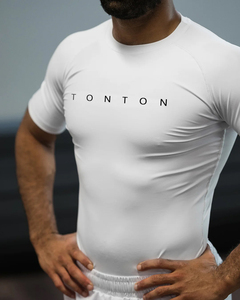
Engineered through precision digital sublimation, interlock moisture-wicking weaves, and anatomical seam placement. Direct OEM production lines serving European clubs and private label brands.
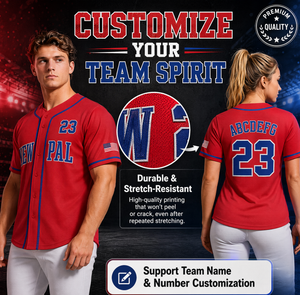
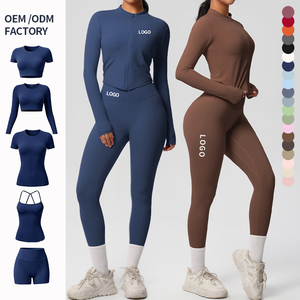
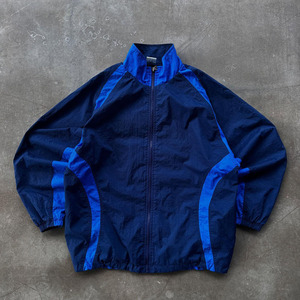
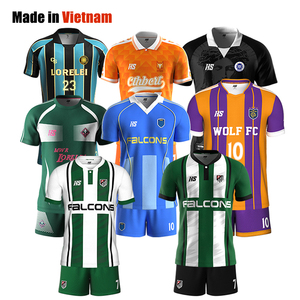
Analyzing thermal dye gasification, fabric durability in Balkan climates, and structural shifts in regional athletic procurement.
The sports apparel landscape across the Republic of Serbia has entered an era of rapid operational modernizing. Driven by grassroots structural reforms spearheaded by the Football Association of Serbia (Fudbalski savez Srbije - FSS) and escalating participation across the Serbian SuperLiga (Superliga Srbije), Prva Liga, and regional municipal amateur leagues (Srpska Liga), team apparel demands have moved away from screen printing toward fully sublimated custom technical fabrics.
Traditional athletic embellishments relied heavily on plastisol screen printing and heat transfers. These methods obstruct the natural porosity of technical polyesters, resulting in sweat accumulation, skin chafing, cracking during cold-weather training, and structural breakdown over multiple match wash cycles. Sublimation technology circumvents these failure modes entirely by utilizing high-temperature molecular dye-diffusion (gasification) into polymer chains.
In modern high-speed athletic matches, thermal equilibrium is essential. Serbian footballers face dynamic continental microclimates: scorching mid-August season openers in Belgrade, Niš, and Novi Sad give way to freezing, damp autumn and winter fixtures across Vojvodina and Šumadija. Garments must maintain consistent tensile integrity, manage perspiration dynamics, and provide wind chill reduction without adding dead weight.
From an enterprise procurement perspective, managing club identity across multiple youth tiers (omladinci, kadeti, pioniri) requires scalable consistency. Custom sublimation integrates club crests, corporate sponsor typography, player names, and anatomical ventilation gradients into a single digital printing pass. This eliminates post-production heat-press labor, guarantees uniform chromatic accuracy according to Pantone specifications, and prevents sponsor degradation caused by industrial laundering.
Moreover, Serbian sports retail distributors and brand aggregators face shifting supply chain realities. European port congestion, escalating domestic labor overhead, and unstable lead times make agility the defining metric for athletic contracts. Sourcing direct from high-volume, vertically integrated production clusters like Sialkot, Pakistan, gives regional brands cost efficiency, reliable quality verification, and direct control over technical specifications.
High-tension interlock fabrics engineered from micro-filament recycled yarns (rPET) paired with high-elastane blends guarantee abrasion resistance on artificial turf pitches (veštačka trava) while meeting strict European Union environmental benchmarks (OEKO-TEX Standard 100), satisfying both performance needs and modern compliance expectations.
An objective comparison of domestic ateliers, pan-European corporate brands, and offshore industrial manufacturing partners delivering to Belgrade and beyond.
Headquartered in Sialkot, Pakistan, Verena Sport operates as a primary OEM and private label manufacturing powerhouse for sports brands across Europe. Offering end-to-end vertical integration from yarn knitting to digital sublimation, their factory delivers certified ISO 9001 quality, bespoke tech pack drafting, and rapid 7-10 day sampling for high-level athletic clubs.
A well-known domestic sports apparel provider in Serbia, Daca Sport supplies lower-division clubs, futsal tournaments, and regional schools with rapid local turnaround. Their presence supports quick replenishable batch orders, though larger clubs often look to international scale for proprietary knit developments.
Long standing as an athletic outfitter in Serbia, NAAI has delivered domestic football, handball, and basketball kits across the Balkans. Known for traditional craft and reliable domestic billing, their production meets domestic requirements while navigating localized fabric cost increases.
Italian sportswear brand Macron holds a prominent profile in Serbia via top-flight sponsorships (notably Red Star Belgrade / FK Crvena Zvezda). While their catalog-based sublimation program offers brand recognition, standard catalog cycles restrict agility for grassroots customized identity.
Spanish performance brand Joma maintains an expansive network of distributors in Belgrade, Niš, and Kragujevac. Favored by amateur leagues and futsal collectives, their supply chain is built around finished-goods inventory embellishment rather than fully custom mill production.
Givova captures budget-conscious procurement programs throughout Serbian youth academies (škole fudbala). Their boxed set offers (box setovi) satisfy entry-level team requirements, though fabric grammage and breathability trade off against high-performance sublimated micro-polyester.
Operating in Serbia with specialized printing machinery, Cvetex produces sports apparel across running, volleyball, and football. They serve as a reliable local print bureau for short runs, while relying on imported greige goods for base knits.
Catering to institutional procurement, municipal recreation boards, and community associations, Bull Sport supplies competitive teamwear solutions across central Serbia. Their catalog focuses on fundamental athletic patterns tailored to budget allocations.
Zeus Sport distributes extensively throughout the former Yugoslav territories, serving lower-tier semi-professional leagues. Known for seasonal promotional packages, their model revolves around bulk importation of finished stock rather than customized client-owned intellectual property.
A regional producer providing personalized kits to local community sports associations, Belma rounds out the top ten with dedicated custom trim applications, responsive domestic communication, and traditional sewing workshop capabilities across the Morava region.
Sublimated sportswear designed for the climate, playing surfaces, and operational realities of the Serbian athletic market.
Northern flatlands require tightly knit interlock polyesters with wind-deflecting density, engineered to resist turf friction across synthetic training pitches during freezing Panonian winter gusts.
With hundreds of air-dome facilities (baloni za mali fudbal) active year-round, indoor teams require lightweight 140 GSM eyelet-mesh fabrics offering maximum micro-ventilation and rapid evaporation under synthetic domes.
Youth programs across Kragujevac, Niš, and Čačak need multi-season durability. Full sublimation keeps player names, squad numbers, and sponsor logos intact despite 50+ industrial washes per season.
Serbia's expanding IT and logistics hubs demand modern branded corporate kits. Sublimation reproduces vector-accurate corporate palettes, gradient lines, and micro-typography across short bespoke production runs.
Key market shifts influencing football apparel buying choices across the Western Balkans.
Serbian sports clubs are increasingly aligning their supply chains with European green procurement standards. Recycled polyethylene terephthalate (rPET), made from re-polymerized post-consumer plastic bottles, has emerged as a preferred fabric. This approach cuts energy consumption by roughly 45% during yarn spinning while delivering moisture-wicking and tensile performance identical to virgin synthetic fibers.
Brands catering to Serbian retail chains face stricter border-entry product life audits, making OEKO-TEX Standard 100 compliance and bluesign® chemical certifications essential procurement requirements.
Leading sporting goods retailers across the Balkans are diversifying away from global brand imports by establishing proprietary athletic labels. By partnering directly with offshore original equipment manufacturers (OEMs), these companies secure gross margin improvements of 35-50% while retaining full creative control over sizing profiles that match local demographic builds.
Traditional procurement cycles forced clubs to lock in fixed apparel quantities 6 to 9 months before a season started, tying up working capital and leading to post-season overstock. Modern digital workflows eliminate minimum setup barriers.
Serbian team kit directors now favor agile suppliers capable of delivering a baseline run before the season starts, followed by on-demand restocks within 15-20 days. Sublimation makes this model cost-effective by replacing expensive screen setup fees with digital artwork profiles archived in CAD systems.
Procurement packages are broadening beyond jerseys and shorts. Professional and semi-professional teams increasingly expect complete team collections, including UPF-protected training wear, athletic windbreakers, compression tights, and branded lifestyle travel kits from a single accountable manufacturer.
Manufacturing strengths rooted in 20+ years of export experience, vertical production control, and Sialkot's specialized sporting goods ecosystem.
Fabric cutting, flatlock stitching, digital sublimation, embroidery, and final quality control take place entirely under one roof in Pakistan, eliminating intermediary delays and quality variations.
Decades of international logistics experience handling FOB and CIF terms to European, North American, and global ports, supported by an in-house customs documentation team.
From tech pack drafting and custom yarn knitting to woven care tags, retail barcodes, and polybag packaging, we bring your proprietary collection directly to your warehouse shelf.
Every lot undergoes inline AQL measurement, burst-strength seam stress testing, and colorfastness validation using certified water-based inks free of restricted substances.
Physical prototypes ready in 7 to 10 days, followed by bulk container production completed in 30 to 45 days, giving sourcing teams predictability across the competitive calendar.
Our dedicated, English-speaking technical team provides updates via email, phone, and direct video conferencing, sharing photo documentation at every milestone from cutting to packing.
Clear answers to common questions asked by B2B buyers, distributors, and teamwear brands in Serbia.
Connect with our export engineering desk to review fabric samples, discuss technical specifications, and receive our comprehensive B2B product catalog.
Get Catalog