
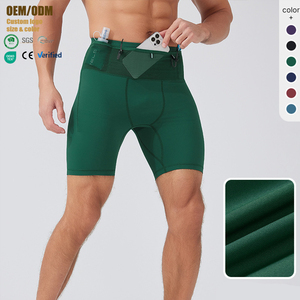
220 GSM Interlock
Multi-Pocket
Ergonomic Fit
Manufactured using high-filament synthetic fibers, warp-knitted Lycra elastane blends, and medical-grade graduated compression profiles. Fully customisable for Belgian sports brands, trail race organisers, and retail chains.
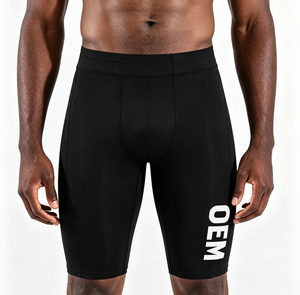
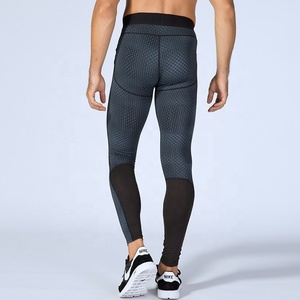
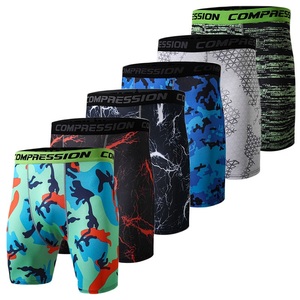
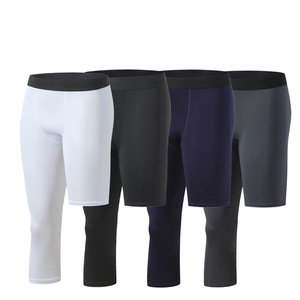
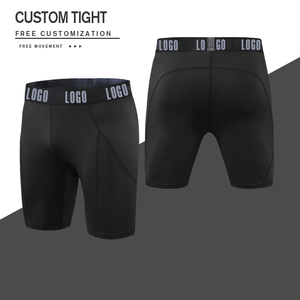
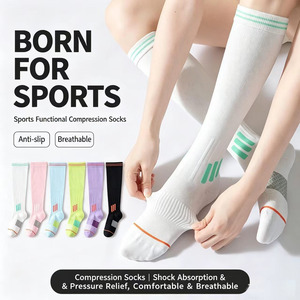
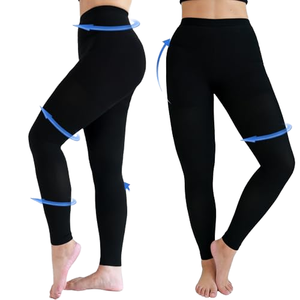
Why off-the-shelf sportswear fails in the Low Countries. Designing graduated compression apparel calibrated to Belgium's oceanic climate (Cfb), damp winters, cobblestone trails, and high-density urban mass races.
Belgium’s endurance sports sector presents unique biomechanical and climatic challenges that demand specialized garment engineering. With an average of over 190 rain days annually and winter temperatures consistently hovering between 2°C and 7°C accompanied by relative humidity levels exceeding 85%, standard single-jersey sportswear promotes sweat-trapping and hypothermic wind-chill. For athletes navigating iconic Belgian events such as the 20 km de Bruxelles, the cobblestone sectors of the Flemish Ardennes (Vlaamse Ardennen), or the technical trails of the High Fens (Hautes Fagnes), compression running tights must balance graduated hemodynamic pressure with dynamic thermal homeostasis and water-repellent performance.
Steep elevation profiles, mud tracks, and constant moisture require ruggedized 240–280 GSM warp-knit polyamide-elastane fabrics. Engineered with high tensile tear strength and durable water repellent (DWR) eco-coatings to repel forest mud splatter while providing targeted 20–25 mmHg compression at the gastrocnemius to mitigate eccentric muscle micro-tears during sustained descents.
Flagship mass races such as the Antwerp 10 Miles, Brussels Half Marathon, and Liège Urban Trail demand lightweight (200–220 GSM) interlock constructions that prevent inner-thigh friction over long distances. Utilizing 4-needle 6-thread flatlock stitching and continuous graduated venous blood return profiles (15–20 mmHg), these garments optimize lactic acid clearance on continuous asphalt surfaces.
Brussels, Ghent, and Antwerp boast extensive networks of canal pathways and park circuits where runners commute year-round. Autumn and winter sessions feature low visibility, persistent drizzle, and cold tarmac. Garments developed for this demographic combine brushed-back fleece interiors (thermal insulation) with 360-degree high-candela reflective heat transfers (certified to EN ISO 20471 parameters).
How European green directives, consumer demand for circular fibers, and progressive clinical compression standards are transforming procurement criteria for Belgian retailers and private label importers.
The Benelux sportswear industry is transitioning through a regulatory paradigm shift driven by the EU Strategy for Sustainable and Circular Textiles. Sourcing managers across Brussels, Antwerp, and Wallonia are moving away from untraceable commodity apparel, demanding total supply chain transparency, closed-loop recyclability, and chemical compliance. As Belgian corporate buyers and private labels develop their 2025–2030 collections, three overarching technical trends dominate the procurement landscape:
Belgian consumers demonstrate high sensitivity to microplastic pollution and persistent chemicals. Leading private brands are actively replacing virgin petrochemical synthetic textiles with post-consumer recycled polyamides (e.g., GRS-certified rPA) and bio-based elastanes. Concurrently, fluorocarbon-based waterproofing agents (C8/C6 DWR) have been completely discarded in favor of durable non-fluorinated, PFAS-free dendritic polymers.
In alignment with upcoming European Commission ecodesign standards, Belgian retailers require apparel suppliers to provide detailed bill-of-materials (BOM) datasets, carbon footprint accounting per kilogram of finished fabric, and tier-1 through tier-4 origin verifications. Garments equipped with woven QR labels linking to open-source environmental and provenance metrics deliver substantial shelf appeal.
Generic "tight pants" are experiencing diminishing demand. Discerning Belgian running specialty retailers require laboratory verification that garments exert genuine graduated degressive pressure: 100% pressure target at the ankle, degressing to 70% at the calf, and 40% at the distal thigh (measured on Kikuhime or Salzmann testing devices) to legally substantiate vascular recovery claims.
Compare our standardized production tiers against conventional activewear benchmarks. Engineered specifically for high tensile resilience, wash-durable elasticity, and stringent European REACH toxicological tolerances.
| Performance Dimension | Standard Activewear | Verena Sport Tier-1 Running Tights | Ardennes Extreme Weather Pro |
|---|---|---|---|
| Fabric Density (GSM) | 160 – 180 GSM Single Knit | 220 – 240 GSM 40-Gauge Interlock | 260 – 280 GSM Thermal Brushed Weft |
| Fiber Composition | 88% Poly / 12% Spandex (Virgin) | 80% Recycled Nylon / 20% Extra Life Lycra | 75% Polyamide 6.6 / 25% Spandex Blend |
| Compression Profile | Uniform (8–10 mmHg non-graded) | Graduated Class 1 (15–20 mmHg) | Graduated Class 2 (20–25 mmHg targeted) |
| Seam Engineering | Standard 3-thread overlock | ISO 607 4-needle 6-thread flatlock | Bonded ultrasonic + welded seam sealing |
| Hydrophobic Repellency | Untreated or temporary spray | PFC-Free Bionic-Finish Eco (30 washes) | Membrane Lamination (10k/10k Breathability) |
| Color Fastness (ISO 105-C06) | Grade 3.0 – 3.5 | Grade 4.5+ (Disperse & Acid reactive) | Grade 4.5+ (High-pressure sublimation) |
| Chemical Compliance | Basic declaration | OEKO-TEX Standard 100 Class II, REACH | OEKO-TEX, REACH Annex XVII Tested |
Rooted in Sialkot, Pakistan—the epicenter of global performance sports manufacturing since 2005. Direct factory access, total quality ownership, and duty-efficient logistical pipelines into the Benelux union.
For sourcing directors and sportswear brand owners in Brussels, Antwerp, Ghent, and Liège, supplier selection is a balance between technical precision, unit economics, and supply chain reliability. Working through trading companies in Hong Kong or regional European wholesalers frequently introduces 25% to 40% margin erosion accompanied by delayed tech pack interpretation. Verena Sport eliminates intermediaries, delivering authentic direct-from-manufacturer agility backed by two decades of international export excellence.
From digital pattern grading, CNC laser fabric cutting, precision four-needle flatlocking, to localized heat-transfer application and inline AQL 1.5/2.5 QA inspections, all operations are centralized within our ISO 9001:2015 audited facility in Sialkot. No subcontracting, no uncontrollable color-lot variations, and no unmonitored labor practices.
Sialkot maintains specialized technical infrastructure rivaling any sports cluster globally. Our localized access to certified high-filament micro-polyester yarns, circular-knit Lycra supply lines, specialized dyeing mills, and industrial embroidery/sublimation setups ensures compressed sampling intervals (7–10 days) and consistent raw material availability.
We operate routine containerized sea-freight lanes directly feeding into the Port of Antwerp-Bruges, alongside priority air cargo routing into Brussels National Airport (BRU) and Liège Airport (LGG). Complete commercial invoicing, packing lists, EUR.1 / Certificate of Origin paperwork, and tariff codes (HS 6104.63 / 6103.43) are meticulously managed by our in-house export desk.
Key compliance, regulatory, fiscal, and operational considerations when importing custom OEM/ODM compression apparel from Pakistan into the Kingdom of Belgium.
Under the EU Integrated Tariff (TARIC), knitted athletic trousers and tights manufactured from synthetic fibers typically fall under HS code 6104.63 (Women's) or 6103.43 (Men's). Importers into Belgium are subject to standard third-country customs duty (normally 12%), unless specific GSP/GSP+ beneficiary preferences apply at the time of clearing via the Belgian Customs and Excise Administration (Algemene Administratie der Douane en Accijnzen). Standard Belgian VAT of 21% is applicable upon entry, which VAT-registered entities can recover through regular periodic tax declarations.
Every lot of yarn, dye formulation, and finishing chemical used in our production undergoes pre-selection under OEKO-TEX Standard 100 (Product Class II) specifications. This guarantees the total absence of harmful azo dyes, nickel releases, phthalates, formaldehyde, and alkylphenol ethoxylates (APEOs). Full laboratory test reports and material safety data sheets (MSDS) verified by third-party audit firms (SGS, Intertek, or TÜV Rheinland) can be furnished prior to shipping container dispatch.
We recognize that emerging technical running brands in the Benelux region require balanced inventory velocity to mitigate deadstock exposure. While massive Asian producers enforce MOQs of 2,000+ units per colorway, Verena Sport operates flexible production cells allowing baseline MOQs starting from 150 to 300 pieces per style/color, spanning standard size distributions (XS to 3XL). For repeat orders or contracted seasonal programs, modular tiered pricing scales automatically.
Yes. European sizing—particularly in the Benelux region where average male and female statures rank among the tallest globally—differs radically from standard Asian or North American profiles. Our pattern engineering team utilizes 3D CAD modeling tailored to Western European anthropometric body scans, accounting for longer inseam lengths, anatomically contoured quad-to-calf ratios, and higher waist rises that remain securely anchored during dynamic movement.
Proto and fit samples are fabricated and dispatched via DHL Express within 7 to 10 days from tech pack confirmation. Following counter-sample physical sign-off and lab-dip color approval, commercial bulk fabrication spans 30 to 45 business days. Transit time via maritime freight from Karachi to the Port of Antwerp-Bruges takes approximately 24 to 28 days. For urgent seasonal drops, air freight directly into Brussels (BRU) or Liège (LGG) takes 4 to 6 days door-to-door.
Our full-service private label OEM package includes bespoke silicone internal waistband grippers, high-stretch heat transfer branding (matte, gloss, reflective, or iridescent), woven damask brand labels, FSC-certified recycled cardstock hangtags, custom biodegradable polybags with barcode printing, and customized compression packaging boxes ready for direct retail placement across European distribution centers.
Connect directly with Verena Sport's technical engineering and export merchandiser team. Submit your tech pack, request fabric sample swatches, or schedule a virtual factory tour of our Sialkot manufacturing facilities.