
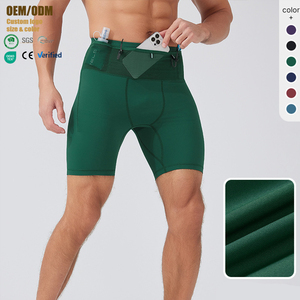
In the hyper-competitive global performance apparel landscape, running brands, marathon event organizers, and athletic gear labels require an agile supply chain that balances cutting-edge fabric tech with high-efficiency bulk tariff optimization. By bridging advanced technical sublimation, anti-chafe construction, and micro-denier yarn innovations from China with duty-free, scalable manufacturing clusters in Bangladesh and Pakistan, our vertically integrated network delivers institutional-grade activewear built for 42.195-kilometer endurance challenges.
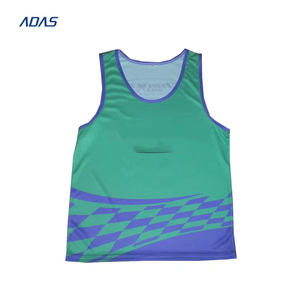

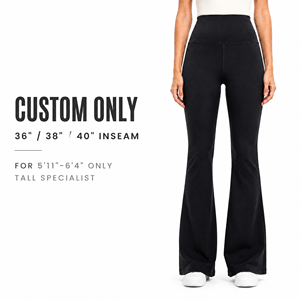
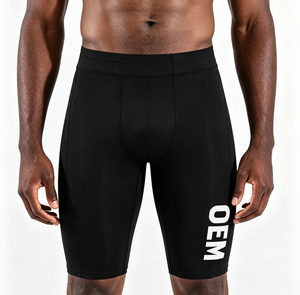
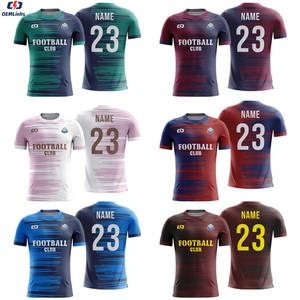
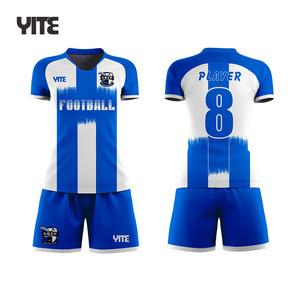
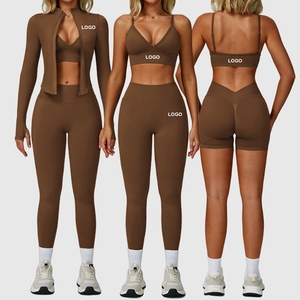
Marathon runners subject their garments to over 25,000 continuous kinetic cycles during a standard race. Standard synthetic t-shirts or low-spec gym tights fail due to epidermal shear stress, capillary fluid saturation, and thermal trapping. As an institutional-grade activewear manufacturer, our technical pipeline treats marathon garments not as standard textiles, but as thermodynamic performance interfaces.
Our production hubs leverage specialized circular knitting structures using cross-sectional filaments (such as CoolMax and micro-filament polyamides). When athletes sweat, these specialized fiber cross-sections create a capillary siphon effect, accelerating moisture transit from inner skin layers to outer evaporation surfaces by up to 300% compared to standard staple yarns.
Furthermore, our multi-pocket marathon compression wear is built around ergonomic lumbar stability. Runners require bounce-free storage for hydration bladders, nutrition gels, and communications devices. By engineering targeted 200GSM–280GSM interlock warp knits containing 10%–20% high-grade elastane, we provide localized mechanical compression. This reduces muscle oscillation, mitigates kinetic fatigue, and holds gear flush against the lower spine without restricting diaphragmatic expansion.
Why top athletic apparel importers leverage a hybrid sourcing model uniting Chinese functional innovations with South Asian duty-free cut-and-sew throughput.
China remains the uncontested nucleus for specialized synthetic extrusion, bonded seamless welding, and precision digital dye-sublimation. When a collection calls for proprietary cooling finishes, anti-UV 50+ treatments, or complex bonded laser vents, Chinese technical infrastructure facilitates rapid R&D sampling and fast-turn short-run production within 7–10 days.
For global race organizers ordering 50,000+ finisher singlets or commercial private label brands scaling seasonal baseline leggings, our South Asian industrial footprints in Bangladesh and Sialkot provide unparalleled unit economics. Benefiting from Generalized Scheme of Preferences (GSP) tariff exemptions into the EU, UK, and Canada, brand margins are secured against escalating western import duties.
Regardless of facility location, every run complies strictly with ISO 9001 certified production lines, OEKO-TEX Standard 100 textile safety, and AATCC-certified color fastness testing. Our dedicated cross-border ERP orchestrates supply allocations, fabric inspections, and standardized inline QC points to eliminate geographical deviations.
The global running apparel market is shifting from commoditized leisurewear to specialized technical gear. Procurement executives must tailor technical specifications to distinct regional applications:
North American Trail & Ultra-Marathon Sector: Buyers in this sector prioritize thermal resilience, deep ergonomic storage for utility poles and flasks, and anti-abrasion cordura-reinforced weaves. High-elasticity waistband construction using dual-stitch drawstrings has become standard to support loaded pockets across technical terrain.
European Urban Marathon & Club Identity: European event organizers demand eco-conscious closed-loop sustainability. Utilizing GRS-certified (Global Recycled Standard) post-consumer rPET yarns, our production lines print high-visibility reflective elements and vivid team typography via eco-friendly water-based sublimation inks, adhering strictly to zero-discharge hazardous chemical (ZDHC) frameworks.
Asia-Pacific Tropical Running Communities: Importers across East and Southeast Asia require featherlight fabrics (sub-90GSM) exhibiting hyper-ventilation pore structures. In high-humidity climates, sweat saturation causes garments to cling; our cross-perforated waffle and pin-dot knit patterns lift the fabric boundary off skin, maintaining aerodynamic airflow even under intense sweat loads.
Full-spectrum in-house OEM/ODM capability engineered to mitigate procurement risks.
We govern the end-to-end chain: filament extrusion sourcing, circular knitting, lab dip validation, automated laser cutting, flatlock stitching, precision screen & sublimation printing, and final packaging.
Our bilingual technical apparel engineers review your CAD files, grading tables, and tolerance thresholds prior to cutting. We spot design flaws early, saving weeks of pattern revisions and excess fabric consumption.
Sample prototyping completes within 7–10 days. Bulk containerized production cycles wrap in 30–45 days post-approval, complete with real-time photographic updates and verified laboratory batch tests.
Essential technical and logistical insights for professional supply chain managers.
We recommend a dual allocation strategy. For intricate designs featuring laser micro-perforations, seamless bonded seams, or fast-turn promotional runs under 1,000 pieces, our Chinese facilities offer agile prototyping and fast shipping. For large-scale volume items like race entry singlets, uniform baselayers, and core catalog running tights exceeding 3,000–5,000 pieces, manufacturing through our Bangladesh and Pakistan facilities unlocks 20–35% in labor and tariff savings.
Standard lockstitch seams create raised ridges that cause severe epidermal chafing over extended distance runs. We use four-needle six-thread flatlock stitching with soft textured micro-filament nylon looper threads. This leaves an ultra-flat seam profile on the garment interior, keeping surface friction below 0.15μ across high-movement armpit, groin, and inner thigh zones.
Our MOQ structure adapts to technical complexity. For full-sublimation tops with open-stock functional fabrics, MOQ starts as low as 50–100 pieces per colorway—ideal for marathon clubs and regional events. For custom knit fabric developments (custom pantone dyeing, specific yarn blends, or proprietary anti-UV/antimicrobial coatings), MOQs start at 500 pieces per style across graded size ranges.
All manufacturing hubs adhere strictly to ISO 9001 quality management procedures and AQL 2.5/4.0 inspection standards. Fabrics undergo rigorous third-party testing (SGS/ITS) verifying 4+ level color fastness to wash and perspiration, dimensional stability after laundering, and zero presence of restricted azo dyes or heavy metals under OEKO-TEX Standard 100 specifications.
Connect directly with our senior garment technical directors. Whether you require fast-turn prototype swatches from our Chinese development center or full container costings via our South Asian export facilities, we turn your technical vision into market-dominating race gear.