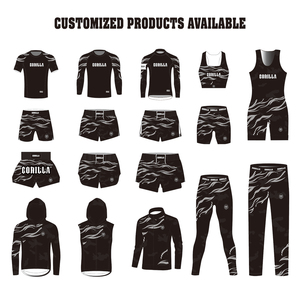
Explore our high-density athletic technical outerwear, softshell multi-stretch garments, and thermodynamic foundation pieces built for European distribution pipelines.
Hydrostatic Water Column
Breathability MVP (JIS L 1099)
Windbreak Impermeability
OEKO-TEX & REACH Compliant
The commercial procurement of athletic softshell jackets for the Kingdom of the Netherlands requires an engineering perspective that reconciles maritime weather instability, active commuter aerodynamics, and aggressive environmental legislation. The Dutch oceanic climate (Köppen: Cfb) subjects sportswear to relentless micro-climatic stressors: mean annual precipitation frequencies exceeding 130 rain days, prevailing south-westerly gales along coastal North Holland and Zeeland, and sharp transitions between mechanical physical exertion and static exposure. Standard off-the-shelf woven windbreakers fail rapidly under these conditions due to internal moisture buildup and seam seepage.
As an authority-tier Chinese manufacturing partner specializing in performance activewear and multi-layer laminate construction, our athletic softshells are engineered utilizing a proprietary 3-Layer Tri-Tech Composite Bonding Architecture. The outer face fabric consists of high-density 50D/72F or 75D interlock recycled mechanical-stretch polyester or nylon 6.6 woven substrates coated with PFC-Free, fluorine-free Durable Water Repellent (DWR). This exterior barrier provides critical initial surface tension, shedding heavy rain beads instantly and preventing wetting-out (the saturated surface condition that completely halts fabric breathability).
Beneath the outer shell lies a monolithic or microporous Thermoplastic Polyurethane (TPU) hydrophilic membrane, laminated under ultra-precise heat-activated reactive polyurethane (PUR) hot-melt gravure printing. This continuous membrane structure prevents gale-force wind penetration (< 0.5 CFM air permeability rating), arresting windchill during high-speed cycle travel across the Afsluitdijk or city bridges, while maintaining an osmotic gradient that vents internal sweat vapors outward at rates over 5,000 to 10,000 g/m²/24hr. The internal contact layer uses grid-structured microfleece or honeycomb air-channel mesh knits, creating thermal boundary layers that capture body heat while minimizing fabric-to-skin friction.
The search intent of Dutch corporate merchandise buyers, outdoor retail procurement specialists, and sporting team equipment directors demands multi-environment utility. An athletic softshell exported to Amsterdam, Rotterdam, or Eindhoven is not a single-purpose mountaineering jacket; it is an all-season hybrid garment worn in high-intensity kinetic scenarios:
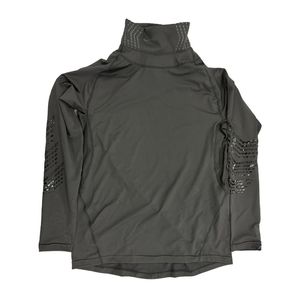
Over 27% of all trips in the Netherlands are made by bicycle. Commuters on speed pedelecs and urban gravel bikes generate relative airflow velocities of 25–45 km/h in wet conditions. Our athletic cut incorporates articulated ergonomic sleeve patterning, an extended dropped hem (fishtail cut) for lower back splash coverage, and EN 20471 certified stealth reflective transfer prints for nocturnal road safety.
Football (KNVB affiliated clubs), field hockey (KNHB), and rowing crews on the Amstel require moisture-resilient athletic softshells that can survive intensive pitch warmups and damp turf contact. Fabric configurations utilize 4-way mechanical stretch warp knits with reinforced flatlock stitch zones and abrasion-resistant shoulder panels designed to withstand kit-bag strap friction.
Dutch corporate cultures embrace functional, understated "smart-casual" minimalism. Tech hubs in Utrecht and logistics parks in Venlo demand outerwear that transitions seamlessly from cold warehouse walkthroughs to board meetings. Clean, matte-finish weaves, hidden laser-bonded Napoleon pockets, and unbranded low-profile aesthetic silhouettes cater directly to this corporate profile.
To ensure total visibility for technical buyers, textile technologists, and category managers in the Benelux region, our manufacturing platform adheres strictly to measurable physical parameters tested under international standards (ISO, AATCC, ASTM, and DIN EN):
| Performance Dimension | Test Standard | Export Technical Specification | Dutch Market Benchmark Relevance |
|---|---|---|---|
| Hydrostatic Head (Waterproofness) | ISO 811 / JIS L 1092 A | 8,000mm – 12,000mm H₂O | Withstands driving North Sea rainfall and pressurized seat splashes |
| Moisture Vapor Transmission (MVP) | JIS L 1099 B-1 / ASTM E96 | 5,000 – 10,000 g/m²/24hr | Prevents condensation buildup during high aerobic exertion (biking/running) |
| Air Permeability / Windproofing | ASTM D737 / EN ISO 9237 | < 0.5 cm³/cm²/s (CFM < 1.0) | Total interception of windchill factors up to Beaufort Force 7 |
| Fabric Composition & Weight | ISO 3801 Scale Metric | 280 GSM – 340 GSM 3-Layer Bonded | Optimal warmth-to-weight balance for transitional Dutch seasonalities |
| Eco & Chemical Compliance | REACH Annex XVII / OEKO-TEX 100 | PFC-Free C0 DWR, Azo-Dye Free | Zero customs clearance holdups; compliant with Dutch Wet milieubeheer |
| Colorfastness to Washing & Light | ISO 105-C06 / ISO 105-B02 | Grade 4–5 (50 Domestic Launderings) | Resistant to frequent cold-water cycling cleans and damp air storage |
Sourcing sports jackets into the Netherlands requires strict alignment with the European Green Deal and local Dutch initiatives like the Dutch Agreement on Sustainable Garments and Textile. Importers and brand directors cannot risk stocking inventory that utilizes legacy C8 or C6 fluorocarbon waterproofing chemistries. Our factory has completely transitioned to non-fluorinated Bionic-Finish® ECO and C0 DWR surface treatments that achieve a contact angle greater than 130°, delivering water repellency without toxic per- and polyfluoroalkyl substances (PFAS).
Furthermore, circular economy mandates in the Netherlands prioritize mono-material constructions. In response, our production plant engineers 100% all-polyester (PET) circular softshells: recycled polyester shell, TPU/PES membrane, and recycled fleece backing, paired with PES seam-sealing tapes and recycled polyester zippers. This enables post-consumer chemical recycling without manual deconstruction. For private-label brands aiming to substantiate their green credentials, we provide complete chain-of-custody documentation, including Global Recycled Standard (GRS) transaction certificates for yarn and polymer inputs.
While sewing operations in secondary low-cost production zones excel at basic cotton t-shirts, athletic technical softshell manufacturing demands substantial capital equipment investments, specialized polymer lamination machinery, automated seam sealing, and tight process controls. Our manufacturing facilities combine cutting-edge technology with decades of technical outerwear mastery:
We deploy industrial slot-die and gravure roller PUR lamination units that spread polymer adhesives at precise micron thicknesses. This eliminates the delamination, bubbling, and stiff hand-feel common in entry-tier cold-laminated bonded softshells.
Pocket openings, zipper garages, and ventilation eyelets are precision cut with multi-axis CNC lasers, cauterizing edges cleanly without fraying. Ultrasonic seam welding and hot-air seam-taping machines guarantee waterproof seam security across stress intersections.
Strategically situated near major deep-water ports (Ningbo and Shanghai), we manage integrated export logistics directly into the Port of Rotterdam (Maasvlakte) with complete bill of lading (B/L), CE certification declarations, and customs-ready HTS classification documentation.
Essential purchasing intelligence addressing lead times, compliance, MOQs, and technical configurations for buyers serving the Netherlands and broader Benelux market.
Our standard production MOQ is 500 units per colorway for customized tech pack designs using standard stock membrane fabrics. For fully customized piece-dyed colors matching custom Pantone/RAL standards or proprietary recycled fabric blends, the MOQ starts at 1,000 units per style.
Yes. All outerwear exported to the Netherlands is 100% PFAS-free. We implement certified organosilicon and dendrimer-based bio-mimetic water repellent finishes (such as Bionic-Finish® ECO) compliant with REACH Regulation (EC) No 1907/2006 and prospective ECHA restrictions.
Dutch end-users are among the tallest globally. Standard Asian sizing or general European size grading often results in sleeves that are too short and undersized back drops. We produce garments using specialized North-European athletic measurement specs, featuring elongated sleeves, broadened shoulder arches, and extra torso length.
Proto-samples and fit samples are completed within 7 to 10 working days from tech pack confirmation. Bulk manufacturing typically requires 30 to 45 calendar days following lab-dip and pre-production sample sign-off, coordinated with container sailing windows directly into Rotterdam.
Our manufacturing network operates under ISO 9001 quality management protocols and holds verified BSCI (Business Social Compliance Initiative) and Sedex SMETA social audit certifications. Fabric mills supply OEKO-TEX Standard 100 Class I/II and GRS (Global Recycled Standard) transaction certificates.
Yes. We offer turnkey OEM/ODM services including laser-engraved zipper pulls, custom-molded silicone arm badges, high-frequency heat-transfer reflective logos, custom woven neck tape, branded polybags, and retail-ready FSC-certified hangtags pre-printed with EAN barcodes.