Direct from our vertically integrated Sialkot manufacturing plant: high-performance compression wear, ergonomic shorts, technical base layers, and sublimated training apparel manufactured to ISO 9001 and OEKO-TEX standards.
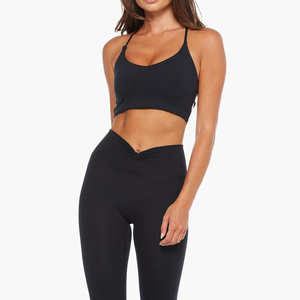
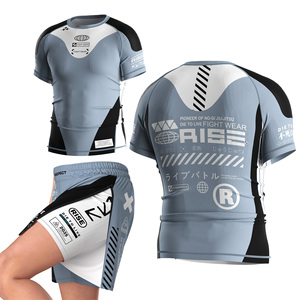
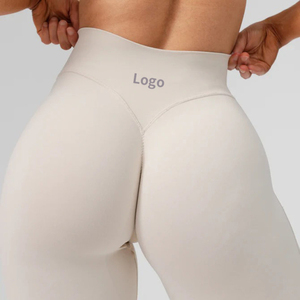
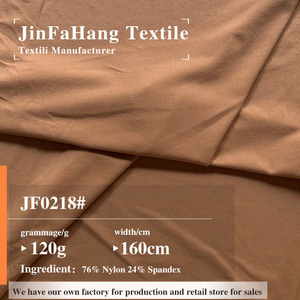
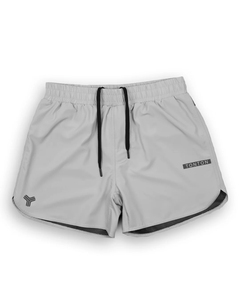
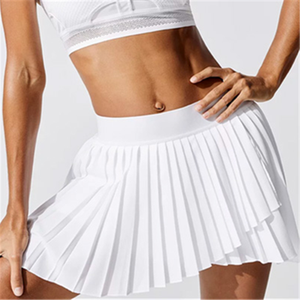
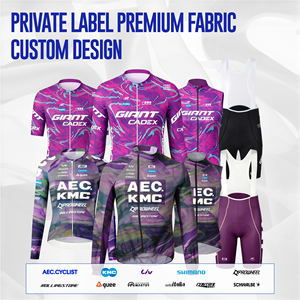
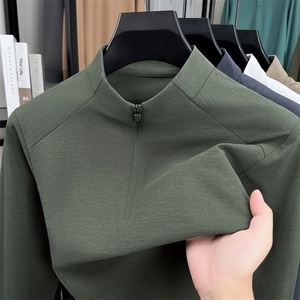
In modern performance textiles, the engineering of athletic compression shorts has evolved far beyond standard elastane-blended cycle garments. Today’s international apparel buyers, cross-training brands, and military-grade base layer distributors require rigorous biomechanical performance metrics: graduated pressure profiles measured in millimeters of mercury (mmHg), targeted muscle oscillation mitigation, rapid capillary venous return, and friction-free planar construction.
True compression shorts function as active kinetic support structures. By applying systematic surface pressure across the quadriceps, hamstrings, and gluteal muscle bellies, genuine compression garments damp muscular vibration during impact phases of sprinting, lifting, and grappling. This reduction in biomechanical vibration correlates directly with reduced micro-trauma to myofibrillar structures, less post-exercise soreness (DOMS), and enhanced proprioceptive body awareness.
For brands and global sourcing managers, distinguishing between authentic medical-grade graduated compression apparel and low-cost "stretch activewear" represents a major commercial challenge. Mass-market copycats rely on generic 4-way circular stretch fabrics that stretch without providing adequate recoil force (high modulus elongation). Authentic compression manufacturing demands premium high-denier elastane (Creora or Lycra brand), controlled draw ratios during circular or warp knitting, and anatomical panel pattern engineering that accounts for cross-grain tension variations.
Located in the heart of Sialkot, Pakistan's world-renowned sports manufacturing cluster, Verena Sport delivers verticalized fabric-to-export control that eliminates middlemen markups and guarantees consistent stitch integrity.
From yarn circular knitting and computer-aided pattern nesting to laser cutting, 4-needle 6-thread flatlock stitching, sublimation, and final carton inspection, every phase operates under single-roof governance for uninterrupted traceability.
Operating with certified ISO 9001 quality management procedures and OEKO-TEX Standard 100 fabric compliance. Chemical formulations comply with European REACH requirements, free from azo-dyes, phthalates, and banned fluorocarbons.
Proto-samples and fit iterations delivered in 7 to 10 days. Commercial bulk container volume produced within 30 to 45 days. Our dual rapid-line and volume-line floor setups accommodate low-MOQ test drops as well as multi-thousand-unit seasonal rolls.
As consumer technical sophistication deepens, athletic compression garments must fulfill complex multi-functional criteria. Sourcing teams should note three primary technological transitions reshaping product development:
A. Advanced Filament Architecture & Hybrid Blends: Traditional polyester-spandex formulations are shifting toward high-tenacity Polyamide 6.6 (Nylon 6.6) combined with chlorine-resistant, high-recovery elastane. Polyamide offers an exceptionally smooth, cool hand-feel, superior abrasion resistance against gym barbells or martial arts mats, and greater burst strength under repeated strain. Concurrently, yarn spinning incorporates functional micro-additives such as graphene-embedded filaments and ceramic infrared fibers that reflect far-infrared energy back into muscles to improve local microcirculation.
B. Ergonomic Seam Integration & Ultrasonic Bonding: Traditional single-needle and overlock stitching fail quickly under high-elongation compression stress, causing seam blowout and painful skin abrasion. Leading compression factories prioritize ISO 607 (4-needle 6-thread flatlock) seams with high-stretch nylon looper threads. In high-end road cycling and marathon gear, manufacturers are combining flatlock stitching with ultrasonic fabric welding and thermo-polyurethane (TPU) bonded seams. This eliminates needle perforations and yields aerodynamic, drag-reduced outer profiles with zero internal skin chafing.
| Performance Parameter | Commercial Gym Shorts (Standard) | Pro Compression Shorts (Verena Sport) | Sourcing Benefit |
|---|---|---|---|
| Fabric Construction | Single Jersey Weft Knit (180-210 GSM) | High-Gauge Interlock / Warp Tricot (240-300 GSM) | Zero transparency (squat-proof), high modulus hold |
| Elastane Modulus | 10% - 15% Standard Spandex | 18% - 25% High-Recovery Creora/Lycra | Sustained elastic memory after 100+ industrial wash cycles |
| Seaming Method | 3-thread Overlock or simple Flatseam | 4-Needle 6-Thread Flatlock (ISO 607) + Gusset | Tensile burst strength exceeding 280 kPa |
| Moisture Management | Topical chemical wash (washes out in 15 washes) | Cross-section capillary yarn (Hydrophilic capillary fiber) | Permanent wicking throughout product lifetime |
| Pressure Profile | Static loose fit (0-8 mmHg) | Calibrated gradient support (15-25 mmHg) | Clinically supported muscle stabilization |
C. Zoned Compression & Body-Mapped Breathability: Rather than uniform, constrictive pressure around the pelvis and thigh, advanced performance patterns use variable zoned tensions. Laser-perforated ventilation panels are positioned across the perineal gusset and lower lumbar region to expel heat and sweat, while heavy-modulus dual-layer fabrics lock down the outer thighs and hamstrings. Internal waistband construction has also shifted from basic gathered elastics to engineered jacquard plush-backed bands with micro-silicone grip dots, preventing the shorts from rolling or sliding down during deep squats, sprint intervals, or wrestling takedowns.
Procurement directors and supply chain planners are navigating volatile freight networks, shifting trade tariffs, and stringent regional sustainability mandates. When sourcing compression apparel, key macro trends include:
1. Decoupling and Supply Chain Diversification (The Sialkot Advantage): The global activewear industry continues to de-risk over-reliance on coastal East Asian centers. Sialkot, Pakistan offers high-grade technical textile specialization, vertical industrial integration, GSP trade preferences, and exceptionally competitive labor-to-output ratios. Sourcing directly from verified OEM manufacturers in Pakistan allows sports brands to preserve 40-55% gross retail margins while maintaining the high seam strength required for contact and endurance sports.
2. Circularity, Recycled Polymers, and Decarbonization: Environmental compliance is transitioning from an optional marketing differentiator to a mandatory customs condition, notably under the EU's Corporate Sustainability Due Diligence Directive (CSDDD). Brands are demanding GRS (Global Recycled Standard) certified post-consumer recycled polyamides (such as recycled ocean nets and pre-consumer spinning waste) and recycled polyesters (rPET). Verena Sport maintains active certified material supply pipelines for recycled performance polymers that perform identically to virgin synthetics in elongation, burst strength, and dyestuff fastness.
3. 3D Digital Prototyping & Compressed Design Cycles: The legacy approach of physical sample iterations (taking 6 to 12 weeks) is obsolete. Leading factories utilize CLO 3D and Browzwear to simulate fabric tension, stretch deformation, and graphic sublimation placement directly onto digital avatars. This reduces prototype revision rounds from 4 to 1, cuts textile waste by over 70%, and compresses total product development timelines from six months to under 4 weeks.
A rigorous, milestone-driven production flow designed for zero-defect output, complete batch consistency, and reliable FOB/CIF delivery to over 50 global consumer markets.
Comprehensive evaluation of CAD drawings, grade sizing specs, elastane draw percentages, and target pressure values. Our technical team identifies potential fabric fatigue or stress points prior to cutting.
Procuring certified OEKO-TEX compliant micro-polyamide/polyester yarns. Lab dips for color precision (Delta E < 0.8), followed by anti-wicking, stretch-recovery, and shrinkage verification tests.
Physical sample cutting and flatlock assembly completed within 7 to 10 days. Garments are calibrated against anatomical fit models to verify squat opacity, gusset comfort, and non-slip waistband stability.
Precision computerized multi-ply knife cutting guarantees 0.5mm pattern tolerance. Inline stitching across synchronized 4-needle 6-thread workstation lines with continuous seam tension monitoring.
Every compression short batch undergoes four-point fabric inspection, inline tension checks, dimensional wash tests, colorfastness to sweat (ISO 105-E04), and metal detection prior to bagging.
Application of branded woven neck labels, custom hang tags, barcodes, silica moisture control packs, and individual frosted polybags, packed into export-grade master cartons under FOB or CIF Incoterms.
Clear, direct technical answers addressing minimum order volumes, compression certifications, custom trims, testing protocols, and international freight workflows.
We offer flexible tiered procurement models. For fully customized OEM orders utilizing custom-dyed pantone fabrics and custom-branded jacquard waistbands, standard MOQ begins at 100 to 200 units per colorway across a standard size run (XS to 3XL). For specialized sublimation lines (such as MMA/BJJ fight shorts or club teamwear), our agile print lines can support launch runs starting at 50 units per design.
Compression gradients are measured and engineered using tension-testing dynanometers and pressure mannequins (Salzmann pressure measurement systems). We engineer our garments with differential panel tensioning: higher pressure around the mid-thigh graduating toward the pelvis, ensuring improved circulatory venous return without restricting arterial flow or mobility.
Yes. We regularly source certified GRS (Global Recycled Standard) recycled nylon and post-consumer recycled polyester (rPET) yarns. These fabrics match our virgin synthetics in recovery force, moisture capillary action, and tensile strength, and are paired with eco-compliant, non-toxic sublimation inks and water-based transfer labels.
For athletic compression shorts, we exclusively specify 4-needle 6-thread flatlock stitching (ISO 607) engineered with premium micro-textured polyester or nylon looper yarns. This produces a perfectly flat, double-sided stitch with high lateral tensile strength (burst ratings > 250 N) that lies flush against the athlete's skin, preventing friction chafing during high-friction repetitive movements.
Physical fit and proto-samples typically ship within 7 to 10 working days upon receipt of tech pack specs or reference garments. Mass production lead time ranges between 30 and 45 days after pre-production sample approval, depending on custom jacquard waistband weaving schedules and total bulk units.
We provide complete turnkey private label solutions. Our factory creates custom heat-transfer inner care tags, high-density silicone logos, woven damask labels, custom hangtags with retail barcode stickers, individual branded zip-lock frosted bags, and master shipping cartons packed to your exact warehouse compliance guidelines.
With over 20 years of export experience across North America, the UK, Europe, Australia, and the Middle East, our dedicated shipping division operates under standard FOB (Karachi Port or Sialkot Air Cargo) and CIF/DDP terms. We generate complete commercial invoices, packing lists, Generalized System of Preferences (GSP) Form A certificates of origin, and bill of lading documents for straightforward customs processing.
Yes. We specialize in functional athletic construction, including ergonomic side phone drop-in pockets with reinforced envelope hems, sweat-resistant zippered rear waistband pockets, and reinforced internal mesh pouches designed to secure protective groin cups for MMA, rugby, and martial arts apparel lines.