Explore our foundational OEM/ODM product portfolio built with four-way mechanical stretch, precision flatlock joinery, and medical-grade compression profiles for world-class fitness labels.
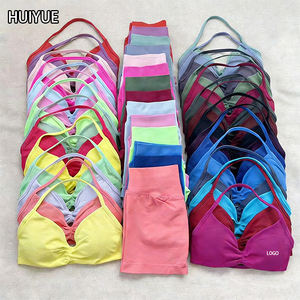
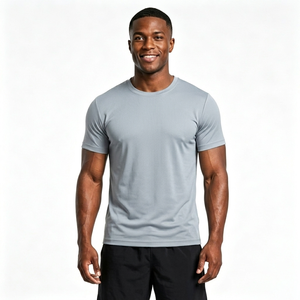
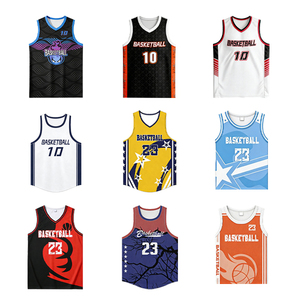
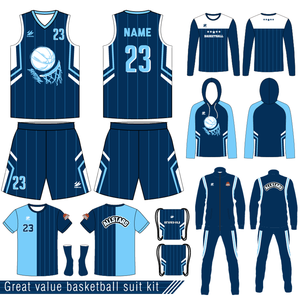
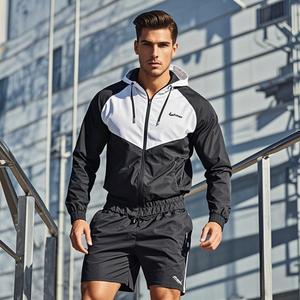
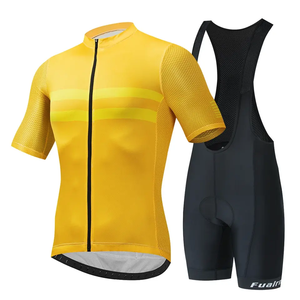
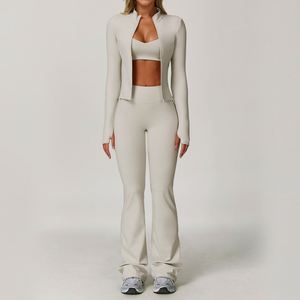
Active leggings have evolved far beyond basic cotton-spandex staples into biomechanically zoned, moisture-transporting compression systems. As a leading OEM/ODM manufacturer headquartered in Sialkot, Pakistan since 2005, Verena Sport addresses the critical manufacturing variables that directly dictate retail sell-through and brand reputation: opacity under extreme biaxial stretch, non-slip anatomical waistbands, and zero-chafing joinery.
Our vertical engineering protocols focus on interlock double-knit architectures using high-filament count Polyamide 6.6 (Nylon) and Virgin Elastane (Lycra). By adjusting machine gauge density between 28G and 36G, our knitting technicians eliminate "grinning" (the white show-through of stretched elastomeric threads) while achieving total squat-proof opacity at a featherlight fabric weight of 220 to 260 GSM.
Every activewear production run operates under ISO 9001 certified quality management protocols, adhering strictly to OEKO-TEX Standard 100 chemical safety thresholds to ensure azo-free dyes and hypoallergenic performance across long duration training sessions.
For more than two decades, Sialkot, Pakistan has stood as a powerhouse within global performance athletic goods manufacturing. Unlike decentralized manufacturing hubs that rely on fragmented networks of subcontracted sewing workshops, Verena Sport executes warp-knitting, computer-aided pattern nesting, precision laser cutting, sublimation, silicone grip placement, and clean-room packaging in one singular, audit-ready industrial compound.
This localized cluster control allows international sourcing directors to significantly compress lead times, reduce transshipment emissions, and secure direct-from-factory pricing without intermediary markups. Our export logistics team orchestrates seamless clearance and transit on both FOB (Karachi) and CIF global airport/seaport terms to major consumer hubs in the United States, United Kingdom, European Union, Australia, and Canada.
A reference guide for technical apparel designers and procurement managers evaluating fabric weight, stretch recovery, compression classes, and target sports disciplines.
| Substrate Composition | Fabric Weight (GSM) | Tensile Elongation | Opacity Rating | Target Discipline | Compliance Tier |
|---|---|---|---|---|---|
| 75% Micro-Nylon / 25% Spandex Double-sided peached interlock |
220 – 240 GSM | Warp: 120% / Weft: 180% | Grade 5 (100% Squat-Proof) | Hot Yoga, Pilates, Low-Impact Barre | OEKO-TEX 100 |
| 80% Polyamide 6.6 / 20% Lycra Dry-touch technical warp knit |
250 – 280 GSM | Warp: 110% / Weft: 160% | Grade 5 (Zero Grinning) | CrossFit, HIIT, Marathon Running | ISO 9001 Certified |
| 82% Recycled Polyester (rPET) / 18% Elastane Post-consumer bottle circular knit |
260 – 300 GSM | Warp: 105% / Weft: 155% | Grade 4.8 (High Opacity) | Commercial Gymwear, Athleisure Lines | GRS & REACH |
| Seamless Tubular Jacquard (Nylon/Spandex) Santoni circular zoned compression |
280 – 340 GSM | 360° Multi-directional | Grade 5 (Density Zoned) | Targeted Sculpting, Body-Contour | OEKO-TEX 100 |
Strategic analysis of consumer sentiment shifts, regulatory pressures, and technical advancements guiding institutional purchasing strategies over the next 3 to 5 years.
Global extended producer responsibility (EPR) mandates in the EU are accelerating demand for elastane alternatives and monomaterial activewear. Procurement pipelines are prioritizing chemically recyclable bio-polyamides derived from castor oil, alongside specialized polyester blends that allow single-stream post-consumer recycling without elastomeric separation bottlenecks.
Athleisure consumers increasingly demand clinical recovery benefits in lifestyle apparel. We are deploying circular Santoni knitting machinery that calibrates millimetric pressure gradations (8–15 mmHg) from the ankle upward through the calf and thigh, enhancing venous return while maintaining buttery soft hand-feel for casual studio wear.
Physical sample shipping cycles (often 3 to 4 rounds) generate substantial fabric scrap and schedule drag. By transitioning our initial client sampling to 3D tension mapping on volumetric avatars, we compress pattern development cycles from 28 days down to 7 days, permitting lower initial bulk minimums (from 150 pieces per colorway) with verified fit accuracy.
Comprehensive technical guidance formulated for activewear sourcing directors, production executives, and independent apparel entrepreneurs.
For complete opacity during deep squats and athletic flexion, we specify a minimum of 240 to 280 GSM interlock knit utilizing a 75/25 or 80/20 Polyamide 6.6 (Nylon) to Elastane (Spandex) ratio. The interlock knitting structure uses two sets of needles to create a double-faced fabric with identical front and back faces, eliminating the sheer translucency common to single-jersey knits. Additionally, matte-textured yarn spinning prevents photographic light reflection across curved muscle surfaces.
Waistband stability requires structural pattern engineering rather than simply adding elastic bands. We employ high-rise anatomical contouring cut with a continuous taper, reinforced with interior bonded power-mesh panels or bonded elastic taping inside the top seam. This design anchors the waistband along the iliac crest and lumbar curve, distributing mechanical retention pressure evenly and preventing folding or rolling down during sprints, burpees, and forward bends.
Our baseline factory MOQ begins at 100 to 150 units per colorway across a balanced size run (XS to 3XL). For fully custom custom-milled Pantone dyed fabrics, MOQs typically range from 300 to 500 units to satisfy dyeing vat minimum capacities. For emerging and direct-to-consumer athletic brands, our rapid-turn sampling inventory maintains 30+ core in-stock technical fabrics that permit multi-color low batch introductions with full custom packaging.
We engineer every active legging with a diamond or teardrop-shaped gusset panel inserted at the crotch junction. This shifts the central intersection of four seams away from high-friction contact zones. Furthermore, all structural joins utilize ISO 607 Class 4-needle 6-thread flatlock stitching with premium woolly nylon or texturized micro-polyester loopers, laying completely flat against the skin to eliminate friction burn during repetitive long-distance endurance movements.
Every dye-lot and production cut is tested in accordance with international AATCC and ISO testing methodologies. Tests include: Dimensional Stability to Domestic Laundering (ISO 6330), Colorfastness to Perspiration (AATCC 15), Colorfastness to Laundering (AATCC 61 - 4A rating minimum), and Pilling Resistance (Martindale Method ISO 12945-2, target Grade 4.5+). Detailed in-house or third-party lab documentation (SGS/Intertek) is provided upon request.
Verena Sport exports globally to more than 50 countries. Production sampling requires 7 to 10 days post tech pack confirmation. Bulk container production typically requires 30 to 45 days after pre-production sample sign-off. We support multimodal logistics including Air Courier (DHL/FedEx express: 4–6 business days door-to-door), Air Freight cargo to major international hub airports (7–10 days), and Ocean Freight via Port of Karachi (FOB/CIF terms: 18–35 days dependent on destination).