Outerwear / Windbreaker
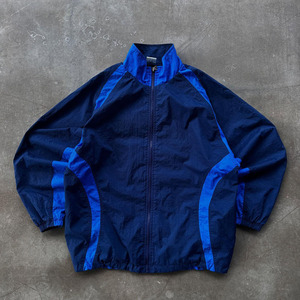
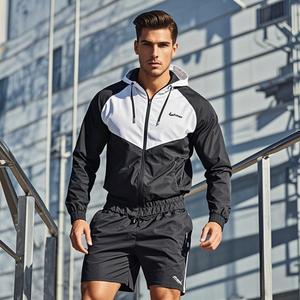
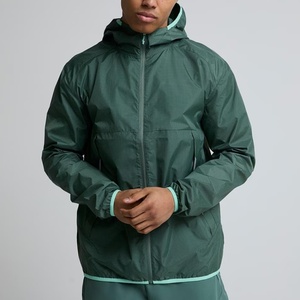
Custom Oversized Sport Jacket Color Blocked Zipper Wind Breaker Men's Jackets Lightweight 100% Nylon Windbreaker Jacket
100% Polyamide
DWR Finish
Color-Blocked
Explore our export-grade manufacturing range, featuring Italian sublimation ink saturation, moisture-wicking synthetic matrixes, ergonomic flatlock stitching, and wind/water-resistant outerwear treatments.
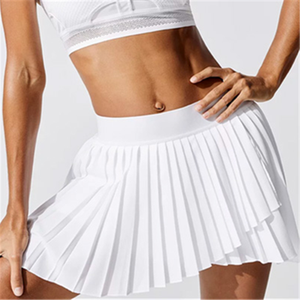
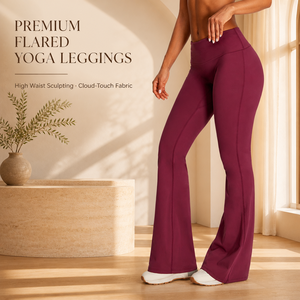
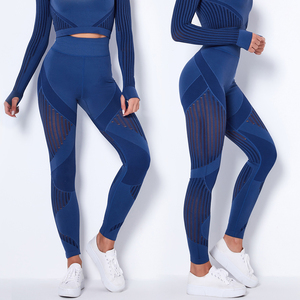
A comprehensive examination of disperse dye gasification, polymer substrate micro-porosity, and aerodynamic paneling across elite teamwear manufacturing hubs.
In high-stakes competitive sports, athletic teamwear serves as critical athletic equipment rather than mere apparel. As premier sublimated sportswear manufacturers and exporters, our production infrastructure bridges technical polymer textiles with precision digital sublimation engineering. Unlike conventional screen printing, where plastisol inks deposit a surface layer that clogs fabric interstices, genuine dye-sublimation printing relies on a thermodynamic phase transformation. Under controlled calendering parameters (temperatures oscillating between 200°C and 210°C at pressures of 4 to 6 bar for dwell times of 25 to 35 seconds), disperse dye molecules instantly shift from solid to gas, penetrating the amorphous regions of heated polyester microfibers before cooling into an indelible molecular lock.
Because the dyestuff molecularly bonds within the polyester filaments, fabric micropores remain unsealed. Capillary sweat conduction functions uninterrupted, sustaining moisture evaporation rates identical to virgin gray goods.
Utilizing high-density, certified OEKO-TEX Class 1 water-based sublimation inks (Kiian / J-Teck formulations), garments achieve Pantone-matched chromas with exceptional Delta-E compliance, achieving Grade 4.5+ colorfastness to light, washing, and alkaline sweat.
Computerized marker making and automated nesting software reduce textile waste below 3.5%. Paired with multi-head high-speed optical laser cutting, edge cauterization prevents fraying during high-stress athletic use.
The manufacturing integrity of sublimated team apparel demands rigorous fiber engineering. High-performance jerseys for football, basketball, rugby, and martial arts mandate poly-interlock, circular-knit bird’s eye mesh, or diamond-textured synthetics ranging from 140 GSM to 280 GSM. These fabrics are spun with hydro-channeling micro-denier yarns (typically 50D to 75D multi-filaments) that actively draw sweat from the epidermis via capillary action, dispersing it over an accelerated drying surface area.
| Evaluation Attribute | High-Density Digital Sublimation | Industrial Rotary Screen Print | Silicone Heat Transfer Foil |
|---|---|---|---|
| Breathability & Vapor Transmission | 100% Unaltered (Max Permeability) | Obstructed over image areas (Film seal) | Zero breathability under badge footprint |
| Color Fastness (ISO 105-C06 Washing) | Grade 4.5 - 5.0 (Permanent Molecular Bond) | Grade 3.5 - 4.0 (Degrades over cycles) | Grade 3.0 - 4.0 (Risk of perimeter lifting) |
| Weight Addition per Uniform | 0.00 Grams (Weightless Ink Gasification) | +25g to +60g heavy paste deposits | +15g to +30g per patch placement |
| Graphic Detail & Color Shifts | Continuous Tone / Photorealistic (1440 DPI) | Halftone dot restrictions (Max 6-8 spot colors) | Limited gradient steps; solid shapes only |
| Player Customization Viability | Infinite (Names, Numbers & Badges included) | High screen preparation cost per athlete | Requires manual secondary heat application |
Seaming durability is another hallmark of industrial export teamwear. Elite contact sports require four-needle, six-thread flatlock construction with marine-grade bonded nylon threads capable of sustaining seam breaking forces exceeding 350 N (ISO 13935-2 testing standards). The smooth flatlock joint eliminates chafing against athletes' skin during hyper-extended kinetic exertion.
Anticipating structural shifts in athletic teamwear manufacturing: circular sustainability, decentralized print-on-demand clusters, and hybrid smart textiles.
Global sporting goods regulations (such as the EU Ecodesign for Sustainable Products Regulation) are driving adoption of post-consumer recycled poly (rPET) yarns derived from ocean plastics. Advanced low-temperature sublimation inks preserve recycled polymer tensile strength without discoloration or degradation.
Traditional procurement cycles reliant on 5,000-unit minimums are being superseded by flexible high-frequency manufacturing cells. Modern factories leverage automated digital printers to process 50-piece re-orders within 72 hours, matching roster changes and late sponsor modifications in real time.
The next frontier fuses conductive smart yarns and dielectric silicone laminations directly into sublimated garments. GPS tracker sleeves, heart-rate zones, and body temperature monitoring pods are engineered directly into technical crew necks without compromising elasticity or washer survivability.
Minimizing supply chain risk through centralized, in-house control across every transformation stage: yarn procurement, digital transfer, automated sewing, and audit compliance.
Operated in strict conformity with ISO 9001:2015 frameworks, every production lot undergoes 4-point fabric inspection, 100% inline stitching validation, spectrophotometric color clearance, and metal detection packing screening.
Direct pattern-engineering support transforms client tech packs, Adobe Illustrator CAD vectors, or 3D CLO files into physical, measurement-accurate prototypes within 7 to 10 working days, significantly compressing seasonal go-to-market windows.
Beyond sublimation printing, we provide complete private label branding suites: laser-cut heat-sealed neck transfers, high-definition woven hems, branded recycled polybags, custom hangtags with barcoding, and retail-ready carton packing.
Direct technical answers addressing minimum order thresholds, graphic asset workflows, laboratory compliance standards, and international freight execution.
We provide tiered MOQ architectures to support both emerging boutique labels and multi-national sportswear distribution networks. Standard custom sublimated team kits begin at 50 units per design (with mixed size gradations), while high-volume bulk runs of 5,000+ units benefit from optimized volume-based pricing structures.
We work with standardized Pantone Matching System (PMS) Solid Coated and Fashion, Home + Interiors (TCX) libraries. Prior to mass calender heat pressing, digital strike-offs on production-grade fabric swatches undergo Datacolor spectrophotometer verification to maintain Delta E tolerances below 1.0.
Our digital prepress department accepts native vector files in Adobe Illustrator (.AI), PDF, or high-resolution .EPS formats with all fonts outlined and color profiles mapped to CMYK. We also accept 3D apparel project files (CLO3D / Browzwear) for digital fitting and panel verification.
Our partner dyehouses and assembly lines are fully certified under OEKO-TEX Standard 100 Class 1 (safe for direct skin contact), ISO 9001:2015 quality frameworks, and undergo annual SMETA (Sedex Members Ethical Trade Audit) social compliance evaluations.
Physical pre-production counter-samples are dispatched within 7 to 10 days of tech pack sign-off. Upon sample confirmation and deposit receipt, bulk cut-make-trim (CMT) manufacturing requires 25 to 35 calendar days, contingent on order volume and decoration complexity.
We routinely execute shipments under FOB (Shanghai / Ningbo / Shenzhen), CIF, and DDP (Delivered Duty Paid) Incoterms 2020. Our logistics division coordinates air cargo dispatches via DHL/FedEx for expedited team drops and consolidated sea freight for ocean containers.
Initiate direct communication with our senior textile engineers and merchandisers. Submit your preliminary tech pack, explore stock fabric options, and obtain a transparent manufacturing quote within 24 business hours.
Get a Quote