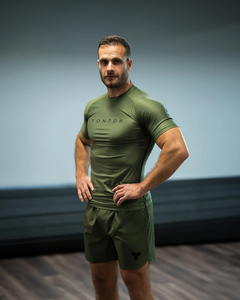
Explore our core bulk activewear product ranges manufactured with medical-grade flatlock stitching, compressive ergonomic geometries, and advanced hydro-repellent coatings.
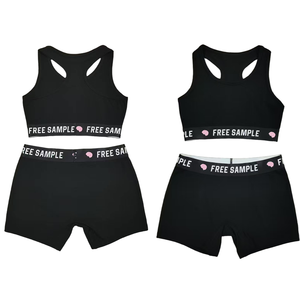
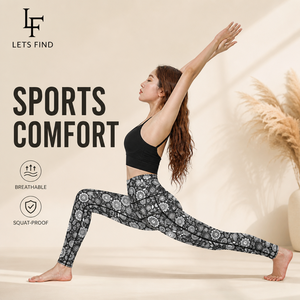
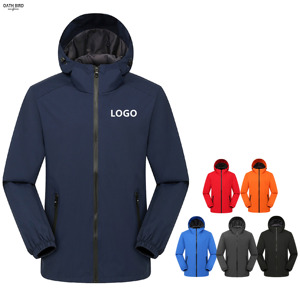
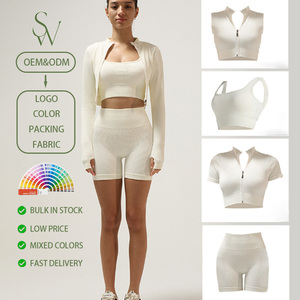
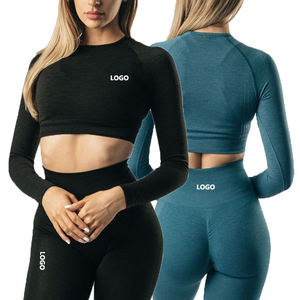
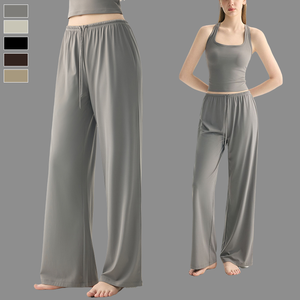
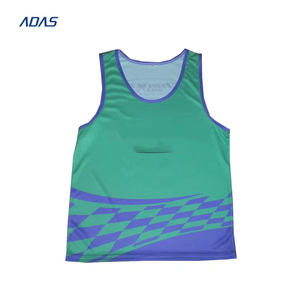
Combining circular knitting technology, seamless laser-welding, and automated CAD spreading to empower global brands, private labels, and performance retailers.
Complete control over yarn spin verification, weaving, dying, automated vector laser cutting, precision flatlocking, and multi-station screen printing under unified ISO 9001 governance.
Every batch undergoes AQL 2.5/4.0 standard inspections: colour fastness (Grade 4+), tensile stretch-recovery metrics, seam rupture stress testing, and 100% metal detection clearance.
Full customization covering jacquard high-density waistbands, heat-transfer silicone brand identifiers, OEKO-TEX woven tags, barcoded hangtags, and biodegradable master polybags.
In-house 3D Clo3D and Browzwear pattern technicians convert digital CAD specs and client tech packs into physical proto-samples within 7 to 10 working days for zero-friction approvals.
Advanced textile finishing applications: antibacterial silver-ion finishes, UPF 50+ ultraviolet shielding, hydrophobic Teflon treatments, and phase-change thermal thermo-regulation.
Exporting to over 50 countries across North America, Europe, Oceania, and the GCC. Comprehensive documentation including Bill of Lading, Certificate of Origin, and complete customs clearance.
The global athletic and activewear manufacturing ecosystem is experiencing a massive technological shift. High-performance sports brands, gymwear disruptors, and cross-training apparel retail operations are re-evaluating sourcing priorities. Product development no longer focuses simply on fabric weight (GSM) or baseline cost per unit. Sourcing directors and enterprise procurement officers now evaluate mill-to-factory verticality, yarn-level chemical compliance, mechanical stretch durability, and decarbonized manufacturing lines.
Supply Chain Intelligence: Modern athletic wear procurement requires moving from fragmented multi-vendor chains to single-source vertically integrated facilities. Direct fabric-to-needle factories mitigate lead-time volatility by up to 34% while reducing batch-to-batch shade discrepancies to zero.
Advanced performance wear has graduated from conventional polyester/spandex blends to chemically engineered micro-structures. Circular seamless knitting machines with electronic needle selection (such as Santoni 28-gauge systems) allow the integration of compression, ventilation, and structural support into a single tubular construction without irritating seams. This is essential for high-intensity training (HIIT), BJJ grappling rash guards, and ultra-marathon garments where chafe-induced friction reduces athlete performance.
Furthermore, bonding and ultrasonic laser-welding have replaced traditional lockstitching across technical outerwear and running wear. This structural architecture produces airtight, micro-lightweight seam executions capable of withstanding severe internal hydraulic water pressure (up to 10,000mm hydrostatic head ratings) without adding weight or compromising mechanical elasticity.
Enterprise procurement vectors across tier-one sportswear brands reveal three central developments:
A. Circular Economy Fibers & Chemically Recycled Synthetics: European and North American regulatory pressures (such as the EU Corporate Sustainability Due Diligence Directive) require moving toward GRS-certified (Global Recycled Standard) post-consumer recycled polyamides and rPET yarns. Future-proof factories are shifting to dope-dyed closed-loop spinning systems that reduce freshwater usage by 80% during polymer coloration.
B. Near-Zero Inventory Through Agile Short-Run Replenishment: The historical reliance on 5,000-piece minimums with 120-day transit windows is being replaced by agile, responsive frameworks. Modern high-volume manufacturers structure modular production lines, allowing agile MOQs (starting at 10 to 50 pieces for specialized items like rash guards or team singlets), paired with pre-allocated raw white greige stock ready for digital sublimation and custom coloration within 14 days.
C. Functional Bio-Synthetics and Mineral-Infused Thermo-Regulation: Infusing ceramic micro-particles and jade minerals directly into the extrusion melt of synthetic filament yields permanent cooling sensations and far-infrared emission. These properties do not wash out after the customary 50 commercial laundry cycles required by international retail testing standards.
| Apparel Category | Standard Fabric Composition | Target GSM | Stitching / Construction Technique | Standard Testing Protocol |
|---|---|---|---|---|
| BJJ Rash Guards & Grappling Wear | 82% Polyester, 18% Spandex (4-Way Stretch) | 220 - 260 GSM | 6-Needle 4-Thread Flatlock Seaming | Bursting Strength (ASTM D3786), Anti-Pilling Grade 4.5 |
| Seamless Compression Leggings | 75% Nylon 66, 25% High-Modulus Elastane | 280 - 320 GSM | Santoni High-Gauge Seamless Knit Tubing | Squat-Proof Opacity Test, Hydro-Wicking (AATCC 79) |
| Marathon Running Singlets | 100% Micro-Wicking Birdseye Polyester Mesh | 110 - 130 GSM | Ultrasonic Clean Edge Hemming, Soft Seams | Air Permeability (ASTM D737), Evaporative Resistance |
| Technical Outerwear Windbreakers | 100% Recycled Ripstop Nylon w/ TPU Membrane | 70 - 110 GSM | Full Seam-Taped Laser-Cut Bonded Geometries | Hydrostatic Head >10,000mm, Windproof CFM <1.0 |
| Athleisure Straight-Leg Trousers | 88% Combed Cotton, 12% Moisture-Control Spandex | 240 - 280 GSM | Double Overlock Reinforced Stress Points | Dimensional Stability to Laundering (AATCC 135) |
Direct technical answers addressing operational mechanics, quality parameters, production lead times, and customization structures for global procurement teams.
Our minimum order requirements are tiered by manufacturing category. For customized sublimated BJJ rash guards and athletic team singlets, our low MOQ starts at 10 pieces per design. For fully bespoke OEM cut-and-sew seamless yoga activewear and custom outerwear requiring proprietary fabric milling, standard MOQs range between 100 to 300 pieces across graded size runs.
Initial pre-production samples and fit prototypes are manufactured within 7 to 10 working days following tech-pack clearance. Mass bulk production cycles are maintained at 30 to 45 business days depending on order complexness, customization techniques, and yardage allocations, ensuring reliable retail drops.
Yes. Our engineering division operates a dedicated OEM/ODM pattern development desk. Sourcing teams provide CAD sketches, tech packs, or reference benchmark samples, and we handle digital size grading, tech-pack refinement, shrinkage allowance mapping, and custom material matching with absolute design IP protection.
Our operations follow ISO 9001 certified quality management protocols. Fabric inventory, inks, and auxiliary trims adhere to OEKO-TEX Standard 100 Class I/II specifications, ensuring absence of restricted azo dyes, heavy metals, or phthalates, fully clearing REACH (EU) and CPSIA (US) chemical requirements.
We provide retail-ready branding including custom silicone heat-transfers, high-definition woven tags, direct-inject silicone drawstrings, laser-engraved eyelets, custom elastic jacquard waistbands, FSC-certified hangtags, and custom recycled poly packaging featuring customized QR codes and barcodes.
We export to over 50 countries primarily under FOB (Free on Board) and CIF (Cost, Insurance, and Freight) terms. In addition, we coordinate door-to-door DDP (Delivered Duty Paid) air freight express services for time-critical drops via DHL, FedEx, and international maritime freight lines.
Partner with an integrated manufacturing powerhouse. Send your tech pack, request fabric swatches, or configure private-label sample runs with our direct export engineering specialists.