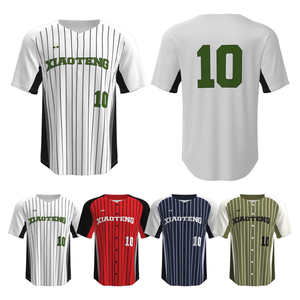
Direct factory supply featuring 100% moisture-wicking interlock knits, zero-fade Italian thermal sublimation inks, and ISO 9001 certified cut-and-sew precision.
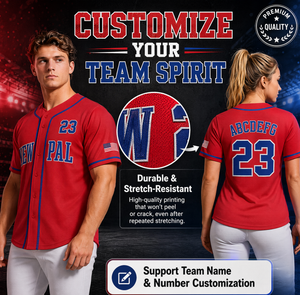
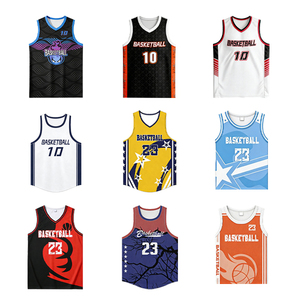
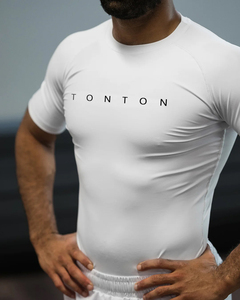
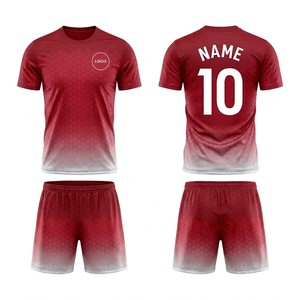
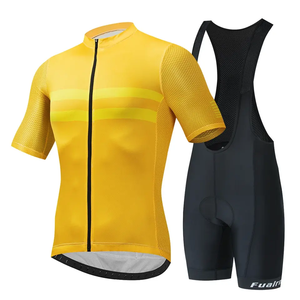
In the hyper-competitive sporting apparel sector, soccer kits represent the ultimate convergence of aerodynamic engineering, moisture micro-management, thermal regulation, and high-fidelity chromatic expression. For corporate sourcing directors, club procurement managers, and international athletic brands, securing a manufacturing partner in China provides access to an end-to-end, vertically integrated industrial ecosystem that cannot be replicated elsewhere. Sourcing wholesale soccer uniforms requires navigating fiber extrusions, high-gauge circular knitting, molecular sublimation transfer, and strict ethical labor benchmarks.
Professional football match jerseys require deliberate fabric segmentation across specific anatomical zones. While standard replica fanwear generally utilizes single-knit 130–140 GSM polyester, tier-1 competition jerseys demand sophisticated zoned body-mapping:
| Fabric Classification | Composition & Weight | Technical Characteristics | Optimal Uniform Application |
|---|---|---|---|
| Micro-Interlock Polyester | 100% Recycled Poly, 140–155 GSM | Ultra-smooth surface, capillary moisture-wicking, anti-snagging rating 4.0+ | Main chest and torso panels, matchday jerseys |
| Micro-Perforated Jacquard | 92% Poly, 8% Elastane, 130–145 GSM | Engineered variable open-pore density, maximum kinetic airflow | Back heating zone, underarm ventilation panels |
| Aerodynamic Rib Knit | 95% Poly, 5% Spandex, 180–210 GSM | High-recovery elastic memory, anti-curling edge performance | Cuffs, ergonomic V-neck & crew-neck collars |
| Heavy-Duty Dobby Shorts Mesh | 100% High-Tenacity Poly, 160–180 GSM | Bi-directional abrasion resistance, burst strength > 380 kPa | Match shorts, sliding hip and groin gussets |
The life-cycle integrity of a team kit relies heavily on the decorating process. Traditional plastisol screen printing deposits a thermoplastic PVC layer across the jersey surface, sealing fabric pores and drastically degrading air permeability. Our manufacturing facility employs industrial high-speed digital dye-sublimation utilizing high-purity water-based disperse inks. Under temperatures of 205°C and uniform pneumatic pressure of 4.5 bar, dye pigments transition directly from solid to gaseous state, permanently bonding with the synthetic polyester polymer chains.
The result is a zero-hand-feel coloration exhibiting ISO 105-C06 wash-fastness at Grade 4-5, complete resistance to cracking or peeling under mechanical strain, and uncompromised yarn breathability. For team crests and sponsorship insignias requiring tactile dimension, our production lines seamlessly combine sublimation with high-frequency TPU heat transfers, ultrasonic welded silicone emblems, and laser-cut metallic heat seals.
How international procurement models are transitioning toward closed-loop circular textiles, automated just-in-time micro-runs, and compliance-driven supply chain transparency.
Global environmental mandates (such as the EU Corporate Sustainability Due Diligence Directive) are making GRS-certified recycled yarn extracted from ocean-bound plastics and post-industrial textiles the mandatory baseline for international tender compliance.
Buyers are eliminating massive warehouse risks by contracting flexible baseline agreements. Advanced CAD patterning and direct-to-fabric continuous printers enable economic production runs as small as 20–50 units per design without incurring plate surcharges.
Anti-counterfeiting chips and woven QR codes embedded inside the jersey hem provide tamper-proof merchandise authentication, fan-engagement digital portals, and full supply chain transparency detailing raw fiber origin.
Modern B2B soccer supply agreements incorporate real-time electronic data interchange (EDI) linked directly to league standings and retail sell-through data, triggering auto-replenishment within 12–15 business days.
How biomechanical kinetic data, ultrasonic assembly, and anti-odor nano-finishes are defining elite athlete apparel performance.
Ultrasonic fabric welding combined with thermoreactive bonding film replaces traditional thread stitching along shoulder yokes and side seams. This eradicates skin chafing during 90-minute competitive matches while dropping total garment weight by up to 18%.
Synthetic polyester fibers inherently absorb body lipids, breeding sulfur-producing bacteria. Integrating non-migrating silver-ion additives at the masterbatch fiber stage neutralizes microbial propagation for up to 60 domestic wash cycles without chemical degradation.
Engineered double-face knit structures feature a hydrophobic inner yarn (pushing liquid away from the epidermis) coupled with a hydrophilic outer yarn (rapidly pulling moisture across a wide surface area for accelerated evaporation), keeping players completely dry.
Vertically managed production lines operating under strict ISO 9001 and OEKO-TEX Standard 100 compliance guarantees zero-defect deliveries across every commercial shipment.
From greige yarn sourcing and in-house knitting to computer-assisted pattern cutting, dye-sublimation, computerized embroidery, and automated packaging. Eliminating tier-3 sub-contracting safeguards your proprietary designs and delivery schedules.
Every production run undergoes strict four-tier QA inspections: Incoming raw yarn testing, mid-process post-print registration audit, inline stitch tension verification, and final boxed AQL 2.5 random sampling for seam burst and colorfastness.
Decades of export experience handling FOB, CIF, and DDP shipments to North America, Europe, Australia, and the Middle East. Complete Harmonized Tariff Schedule (HTS) documentation, certificates of origin, and custom export packaging ensure rapid port clearance.
Direct technical answers addressing minimum order thresholds, chemical certifications, lead time projections, and bespoke customization parameters.
For bespoke sublimation soccer kits, our standard MOQ is 10 sets per design, accommodating mixed sizing (XS to 3XL). For custom mill-dyed pantone yarns or proprietary fabric knits, baseline minimums begin at 300 to 500 units per colorway.
Prototyping and pre-production samples require 7 to 10 working days. Upon physical tech-pack approval, bulk mass manufacturing typically ranges from 25 to 35 business days for volumes between 1,000 to 20,000 sets. Air freight requires 4-7 days; ocean shipping spans 20-30 days.
Our manufacturing operations are ISO 9001:2015 certified. All synthetic fabrics, elastic bands, and sublimation inks are OEKO-TEX Standard 100 Class I & II certified, confirming zero traces of formaldehyde, heavy metals, phthalates, or banned azo dyes.
We operate automated spectrophotometer color profiling utilizing the standard CIE L*a*b* color space. Sublimation paper profiles are calibrated for every ink-and-fabric combination to guarantee a Delta E (ΔE) variance of less than 0.8, ensuring zero visible chromatic divergence across different batches.
Yes. We execute complete OEM branding packages including woven or heat-sealed neck labels, FSC-certified hangtags with scannable EAN/UPC barcodes, branded biodegradable EVA zipper bags, silicone anti-slip waistbands, and custom export master cartons.
We utilize four-needle six-thread (flatlock) stitching along high-friction stress panels to prevent chafing, combined with three-thread overlock safety surging across main torso seams. All thread lines utilize high-tenacity core-spun polyester threads (Tex 24 to 27) with 10–12 stitches per inch (SPI).
Accelerate your apparel brand's growth with factory-direct pricing, certified performance fabrics, and reliable on-time container delivery. Speak directly with our textile engineering and export merchandise team today.