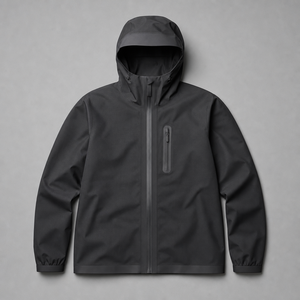
Engineered to meet European safety, chemical inertness, and performance requirements. From moisture-wicking endurance garments to heavy-duty combat apparel, explore our core export-ready athletic apparel lines manufactured under strict international testing frameworks.
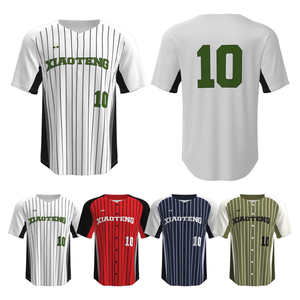
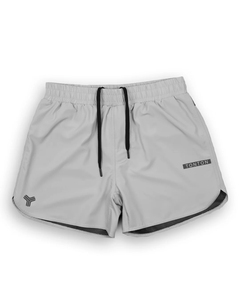
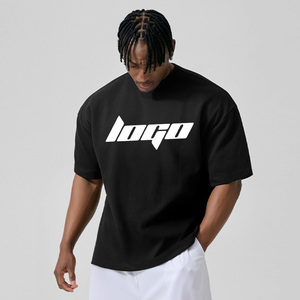
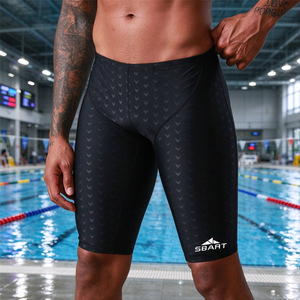

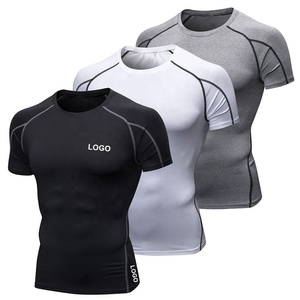
Headquartered in Sialkot, Pakistan—the globally recognized epicenter of technical sports manufacturing—Verena Sports provides foreign procurement directors and athletic labels with direct-from-mill cost advantages combined with European regulatory conformance.
Unlike trading agents, we operate our cutting, sewing, and dying facilities under rigorous ISO 9001 quality management. Fabrics adhere strictly to European REACH regulations, verifying zero toxic heavy metals, phthalates, or banned AZO dyes.
From initial yarn assessment, precision automated cutting, industrial 4-needle 6-thread flatlock stitching to high-definition dye-sublimation and silk screen printing, everything is executed under our own roof to eliminate multi-tier contractor delays.
We understand seasonal retail cycles. We deliver tech-pack proto samples in just 7 to 10 working days, backed by structured bulk manufacturing lead times of 30 to 45 days. Direct access to dedicated technical merchandisers removes miscommunication.
Scale your sportswear line with fully customized solutions: bespoke GSM weights, custom knit structures, silicone grippers, heat-sealed brand tags, woven label patches, eco-friendly retail mailers, and barcoded outer polybags ready for drop shipping.
Our in-house quality control team applies AQL 2.5 standards across raw yardage checks, pre-assembly stitch tension evaluations, seam-burst stress assessments, colorfastness wash validations, and finished garment dimensional measurements.
With two decades of global trade footprint, we support multiple incoterms including FOB Karachi/Lahore, CIF European and American ports, and direct Air Express DDP delivery. All customs documentation, Certificates of Origin, and packing lists are comprehensively handled.
The athletic apparel procurement ecosystem is undergoing a fundamental structural transition. Brand owners and supply chain heads must adapt to changing technical requirements, regulatory constraints, and evolving end-user expectations over the coming decade.
While nearshoring gains traction for ultra-fast seasonal fill-ins, established industrial clusters like Sialkot, Pakistan maintain a clear advantage for composite athletic items requiring specialized technical operations such as ultrasonic welding, multi-panel compression mapping, and deep-penetration dye-sublimation. The strategic move is a bifurcated sourcing model: rapid local sampling paired with cost-optimized high-volume runs from compliant hubs.
Upcoming European Union textile legislation mandates transparent lifecycle metrics for apparel entered into the single market. Sportswear brands are migrating purchase orders toward manufacturers whose supply chain data verifies raw fiber origins, microplastic shedding rates, and OEKO-TEX or GRS (Global Recycled Standard) accreditations. Verena Sports is already integrating scannable QR tags and batch data verification directly into production batches.
DTC (Direct-to-Consumer) activewear labels now prioritize cash flow protection and inventory risk reduction over oversized single-drop bulk production. The future of athletic apparel procurement demands scalable manufacturing lines that accommodate tier-one trial runs of 200–500 pieces per style with smooth scale-up pathways to tens of thousands of units once a silhouette establishes sales velocity.
Athletes and recreational fitness consumers demand measurable performance improvements from apparel. We continually upgrade our fabric engineering and machinery lines to lead these advancements.
Standard mechanical wicking is being superseded by capillary yarn matrices with cross-sectional profiles (such as Coolmax channels) that accelerate sweat evaporation exponentially. Concurrently, thermal-adaptive fleece knit backings trap insulating micro-air pockets in cold conditions while dissipating excess body heat during peak exertion.
Traditional high-spandex synthetic blends present recycling hurdles at end-of-life. The industry is rapidly adopting high-twist PBT/PET mechanical stretch yarns that provide four-way elasticity without elastane breakdown. This allows brands to manufacture 100% circular, single-stream recyclable activewear jerseys, shorts, and performance windbreakers.
In outdoor sports, trail running, and maritime athletics, buyers are moving away from traditional needle stitching in favor of continuous thermoplastic polyurethane (TPU) ultrasonic taping. By sealing micro-perforations, garments deliver reliable 10,000mm+ hydrostatic water resistance paired with chafe-free contact against bare skin.
Send our Sialkot engineering desk your technical sketches, size charts, or target benchmarks. Receive formal costing, fabric swatch books, and pre-production feasibility reports within 24 hours.
Everything you need to know about testing standards, incoterms, quality verification, and technical pack submissions when partnering with a direct manufacturer in Sialkot, Pakistan.
While standard casual wear does not require CE marking, performance athletic garments intended for protective usage (e.g., impact compression, martial arts gear, high-visibility marathon uniforms, and technical water-repellent wear) fall under EU Regulation (EU) 2016/425 for Personal Protective Equipment (PPE). CE compliance confirms our garments satisfy rigorous European harmonized standards for ergonomic safety, tear resistance, seam burst strength, non-toxicity under perspiration, and color retention.
To produce an accurate prototype within our standard 7–10 day turnaround, we recommend providing a comprehensive tech pack including front/back technical flats, a point-of-measurement (POM) grading chart, fabric weight (GSM) and fiber composition requirements, Pantone (PMS) color codes, and vector artwork (.AI or .PDF) for screen print or sublimation patterns. If you lack complete tech packs, our technical patterning team can develop accurate production patterns directly from your physical benchmark garment.
We maintain dynamic MOQ policies tailored to support emerging sportswear brands alongside multinational retail accounts. For fully custom dye-sublimated garments and teamwear kits, our standard threshold is 50 to 100 units per design across mixed sizing. For custom-dyed custom-knitted fabric compositions (such as bespoke color-matched French terry or micro-ribbed compression), our baseline begins at 200 to 300 pieces per style/colorway, depending on mill fabric runs.
Absolutely. As an export-focused producer with clients in over 50 countries, we welcome recognized international inspection agencies—such as SGS, Bureau Veritas, Intertek, or QIMA—for during-production inspection (DUPRO) and final random inspection (FRI) under AQL 2.5 / 4.0 guidelines. Our facilities regularly undergo scheduled customer social compliance and quality management audits.
We use digital spectrophotometers for lab dip matching against Pantone Fashion, Home + Interiors (TCX/TPX) guides. All bulk knit and woven fabrics undergo standardized pre-production wash trials under ISO 105-C06 protocols to guarantee color fastness against washing, artificial perspiration (ISO 105-E04), and rub resistance (crockmeter test ISO 105-X12), avoiding dye bleed across contrasting panels.
We operate on versatile incoterms including EXW, FOB Karachi/Lahore Port, and CIF/CFR worldwide. For customers seeking hassle-free clearing, we provide DDP services via DHL, FedEx, and specialized air/sea freight logistics directly to your warehouse. Production runs standardly complete within 30 to 45 business days following pre-production sample sign-off, with urgent turnarounds available by prior production arrangement.
Skip middlemen and agency markups. Partner directly with Verena Sports in Sialkot, Pakistan for fully audited custom athletic apparel manufacturing.